 Traverly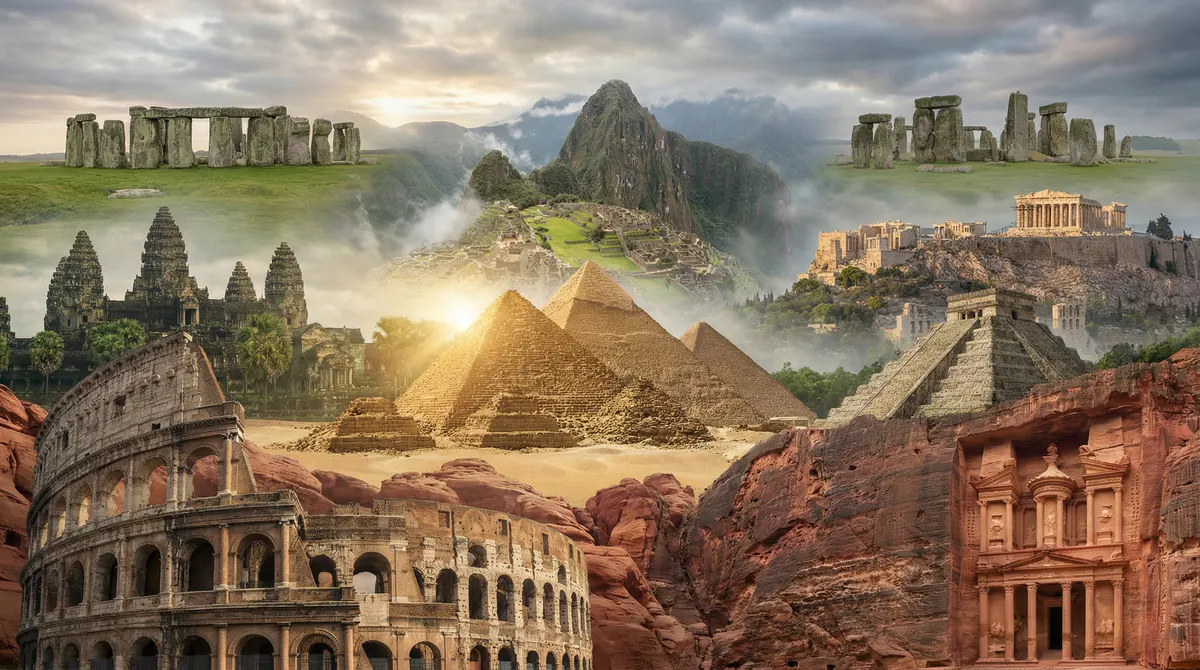
This ranked list is an editorial selection for travel inspiration, not an objective or universal measure. Ancient ruins offer a powerful connection to the past, allowing travelers to step into the remnants of civilizations that shaped human history. These sites, often preserved for centuries or even millennia, showcase the architectural brilliance, cultural traditions, and daily lives of ancient societies. From massive stone structures and temples to entire cities carved into landscapes, ancient ruins reveal stories of innovation, power, spirituality, and resilience.
Exploring ancient ruins is not only about admiring their beauty but also understanding the historical context behind them. These landmarks often reflect the rise and fall of empires, the evolution of art and architecture, and the ingenuity of early engineering techniques. Many ruins are located in breathtaking natural settings, such as mountain ranges, deserts, and dense jungles, adding to their dramatic and mysterious appeal.
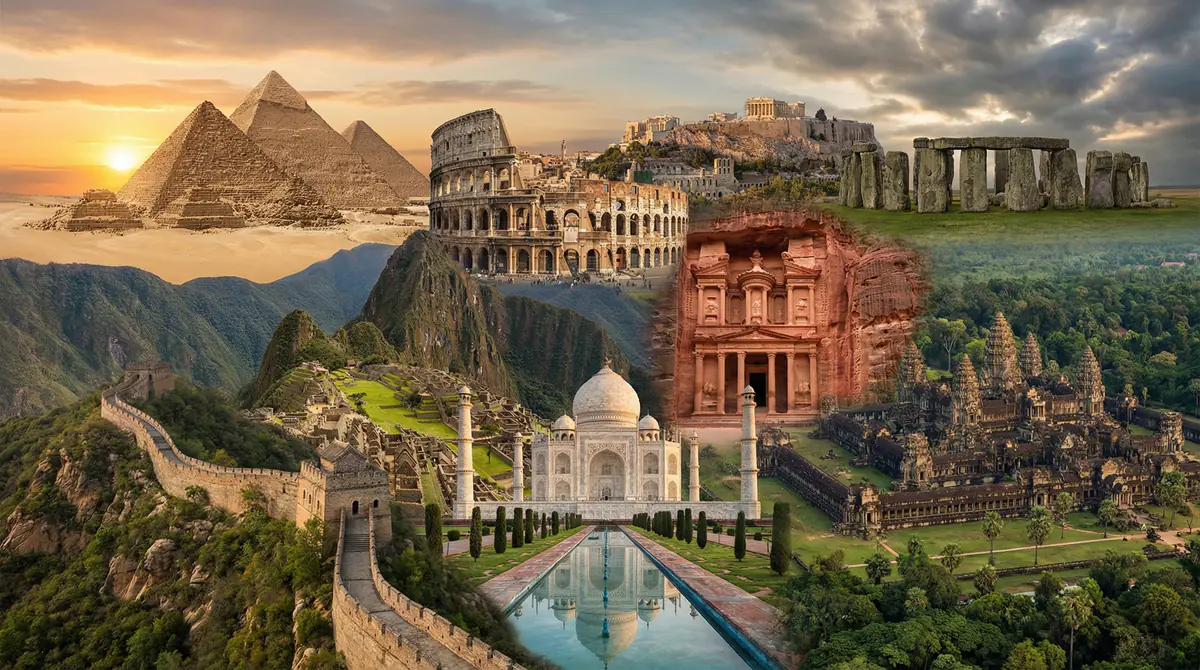
This guide highlights the top 10 ancient ruins across the globe, showcasing destinations that stand out for their historical significance, preservation, and visual impact. Each site offers a unique glimpse into the past, from the advanced urban planning of lost cities to monumental structures built with incredible precision. Visiting these ruins allows travelers to experience history firsthand, making them some of the most fascinating and enriching travel destinations in the world.
1. Machu Picchu – Peru
Machu Picchu is one of the most iconic ancient ruins in the world, perched high in the Andes Mountains. Built by the Inca civilization in the 15th century, the site features terraced slopes, stone temples, and intricate pathways that reflect advanced engineering techniques. Visitors often reach Machu Picchu via the Inca Trail, experiencing a journey through breathtaking mountain landscapes and ancient ruins along the way.
The site is remarkably well-preserved, showcasing the Inca’s ability to harmonize architecture with nature. Structures were built using precisely cut stones without mortar, allowing them to withstand earthquakes. The panoramic views of surrounding peaks and valleys enhance the mystical atmosphere of the site. Machu Picchu continues to captivate visitors with its beauty, historical significance, and mystery.
2. Petra – Jordan
Petra, known as the “Rose City,” is a remarkable archaeological site carved directly into red sandstone cliffs. Dating back to the Nabataean civilization, Petra was once a thriving trade hub. Visitors enter through the narrow Siq, a dramatic canyon that leads to the iconic Treasury façade.
Beyond the Treasury, the site expands into a vast complex of tombs, temples, and ancient streets. The intricate carvings and architectural details demonstrate the skill and creativity of its builders. Petra’s desert setting adds to its dramatic appeal and cultural importance.
3. Colosseum – Rome, Italy
The Colosseum is one of the greatest symbols of ancient Rome and its architectural prowess. Built in the 1st century AD, it served as an amphitheater for gladiatorial contests and public spectacles. Despite partial ruin, it remains an impressive example of Roman engineering.
Visitors can explore the arena floor, underground chambers, and seating areas, gaining insight into Roman entertainment and society. Its design influenced architecture for centuries.
4. Angkor Wat – Cambodia
Angkor Wat is the largest religious monument in the world and a masterpiece of Khmer architecture. Originally a Hindu temple and later a Buddhist site, it features intricate carvings, towers, and expansive courtyards.
Surrounded by jungle, its setting enhances its mystical appeal. Visitors can explore temples and galleries depicting mythological stories and historical events.
5. Pyramids of Giza – Egypt
The Pyramids of Giza are among the oldest and most iconic ancient structures, built over 4,500 years ago. These monumental tombs reflect the engineering brilliance of ancient Egyptian civilization.
Visitors can explore the pyramids, view the Sphinx, and learn about their construction and cultural significance.
6. Acropolis – Athens, Greece
The Acropolis is an ancient citadel overlooking Athens, featuring iconic structures such as the Parthenon. It represents the pinnacle of classical Greek architecture.
Visitors can walk among ruins, admire marble columns, and enjoy panoramic views of Athens.
7. Chichen Itza – Mexico
Chichen Itza is a major archaeological site of the Maya civilization, known for the El Castillo pyramid. The site reflects advanced knowledge of astronomy and engineering.
Visitors can explore temples, ball courts, and sacred cenotes while learning about Maya culture.
8. Tikal – Guatemala
Tikal is an ancient Maya city located in the rainforest, featuring towering pyramids and plazas rising above the jungle canopy.
Visitors can climb structures, explore the forest, and experience a sense of adventure and discovery.
9. Persepolis – Iran
Persepolis was the ceremonial capital of the Achaemenid Empire, showcasing grand palaces and intricate carvings.
Visitors can explore columns, reliefs, and terraces reflecting Persian cultural and historical legacy.
10. Stonehenge – England
Stonehenge is a prehistoric monument consisting of massive standing stones arranged in a circular formation.
Its purpose remains a mystery, with links to astronomy and ancient rituals, making it one of the most fascinating sites in the world.
Sources and travel checks
Conditions, access, prices, schedules and safety guidance can change. Confirm current details with the linked authorities before travelling; for immediate risks, follow local officials, posted warnings and official advisories.
- UNESCO World Heritage Centre — World Heritage ListChecked 2026-10-13 · Authoritative listing and status of World Heritage properties.
These links document the references reviewed; they do not imply endorsement of Traverly.