 Traverly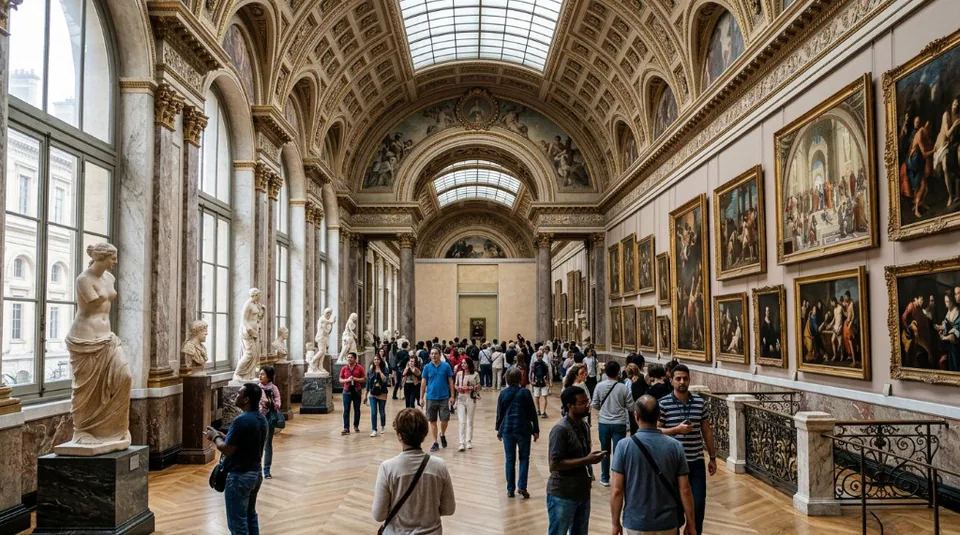
This ranked list is an editorial selection for travel inspiration, not an objective or universal measure. A city’s culture is its living history. It is found in the brushstrokes of a centuries-old masterpiece, the acoustics of a grand opera house, and the vibrant murals that transform a brick wall into a political statement. For the culturally curious traveler, certain cities serve as giant open-air museums—places where the air itself seems thick with creative energy and historical significance. These "famous places" are the crucibles where human expression has been forged, offering a deep dive into the soul of humanity through art, music, architecture, and tradition.
In the modern world, "art and culture" is no longer confined to the hushed halls of elite galleries. It has spilled out into the streets, into underground clubs, and into digitized immersive experiences. However, the world’s great cultural capitals still maintain their gravity, drawing millions of pilgrims who wish to stand in the presence of genius. In this guide, we explore the top 10 cities globally that are essential destinations for lovers of art and culture. From the birthplaces of the Renaissance to the pioneers of modern street art, these are the cities that define our shared human heritage. Prepare for a journey through the world's most creative urban landscapes.
1. Paris, France
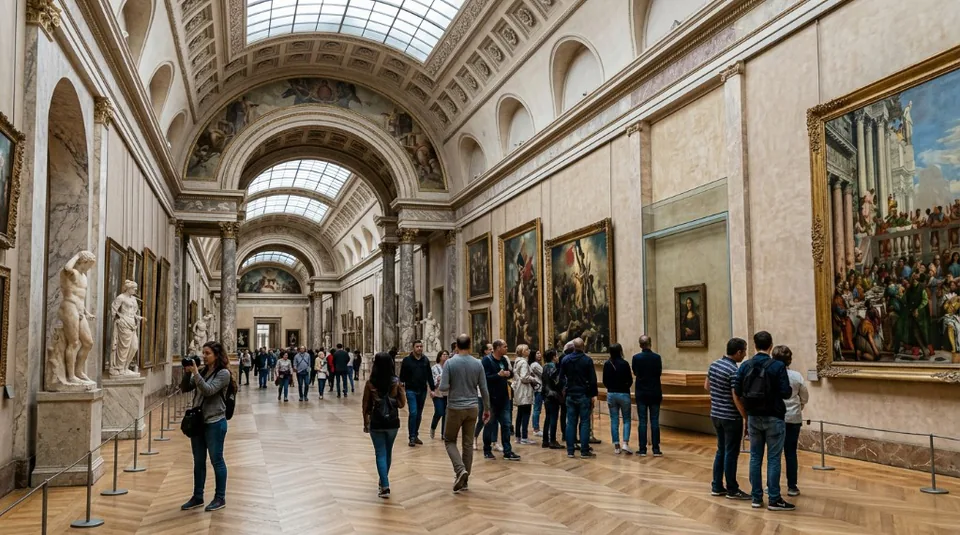
Paris is a major international centre for art and museums. It is a city where every street corner feels like a film set and every neighborhood has a connection to a legendary artist. The Louvre, the world's largest museum, is a labyrinthine palace containing thousands of years of human history, from the Winged Victory of Samothrace to the Code of Hammurabi. But the Parisian art scene extends far beyond its most famous museum. The Musée d'Orsay houses the world's finest collection of Impressionist masterpieces, while the Centre Pompidou showcases the cutting edge of modern and contemporary art. Beyond the galleries, the very fabric of Paris—its Haussmann architecture, its historic theaters, and its café culture—is a masterpiece of human design and lifestyle.
2. Florence, Italy
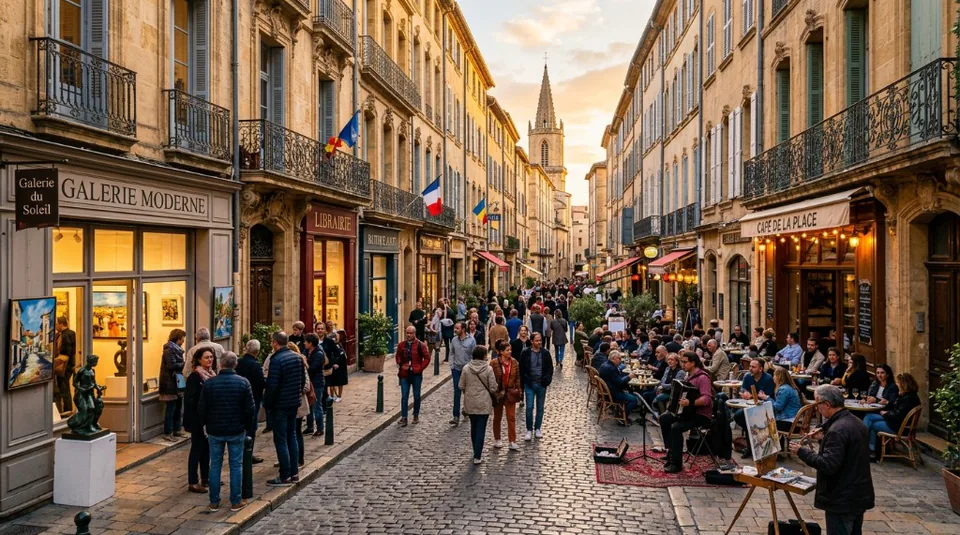
If Paris is the capital of art, Florence is its birthplace. As the cradle of the Renaissance, Florence is home to a staggering concentration of the world's most important artworks. Walking through the streets of the "Firenze," you are surrounded by the legacy of the Medici family and the genius of Michelangelo, Leonardo da Vinci, and Botticelli. The Uffizi Gallery is a shrine to Renaissance painting, while the Accademia Gallery houses the incomparable *David*. However, the city itself is the true museum; the Duomo with Brunelleschi's dome, the Ponte Vecchio, and the Basilica of Santa Croce are architectural marvels that define the transition from the Middle Ages to the modern era. Florence remains a place of profound beauty and intellectual depth.
3. Vienna, Austria
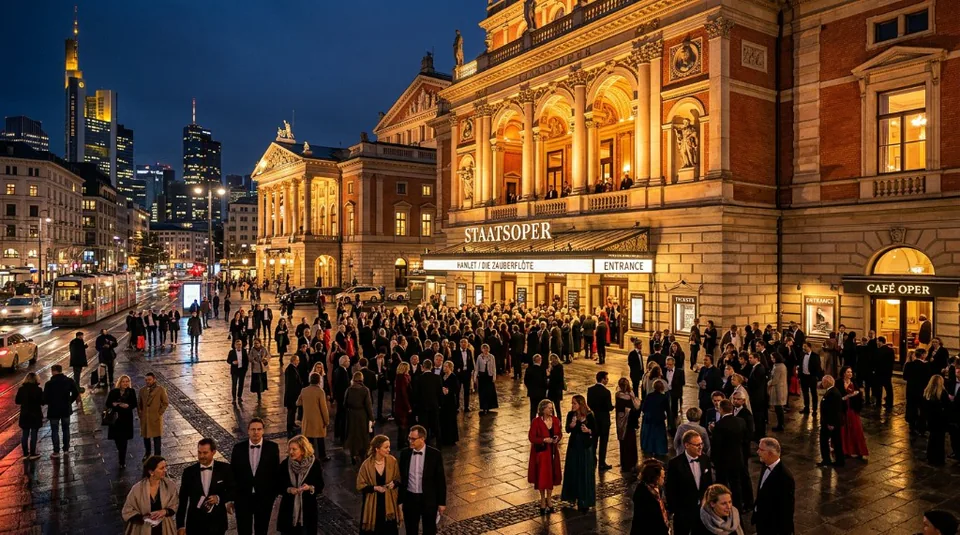
Vienna is the city of music and the heart of Central European high culture. For centuries, it was the seat of the Habsburg Empire, a legacy reflected in its monumental Ringstrasse architecture and imperial palaces. Vienna was the playground of Mozart, Beethoven, and Strauss, and today, the Vienna State Opera remains one of the world's most prestigious stages. But the city is also a titan of the visual arts; the Kunsthistorisches Museum is a treasure trove of Old Masters, while the Belvedere Palace houses the world's largest collection of Gustav Klimt's work, including the iconic *The Kiss*. Vienna's culture is also found in its legendary coffee houses, places of intellectual debate and slow living that have remained unchanged for over a century.
4. London, United Kingdom
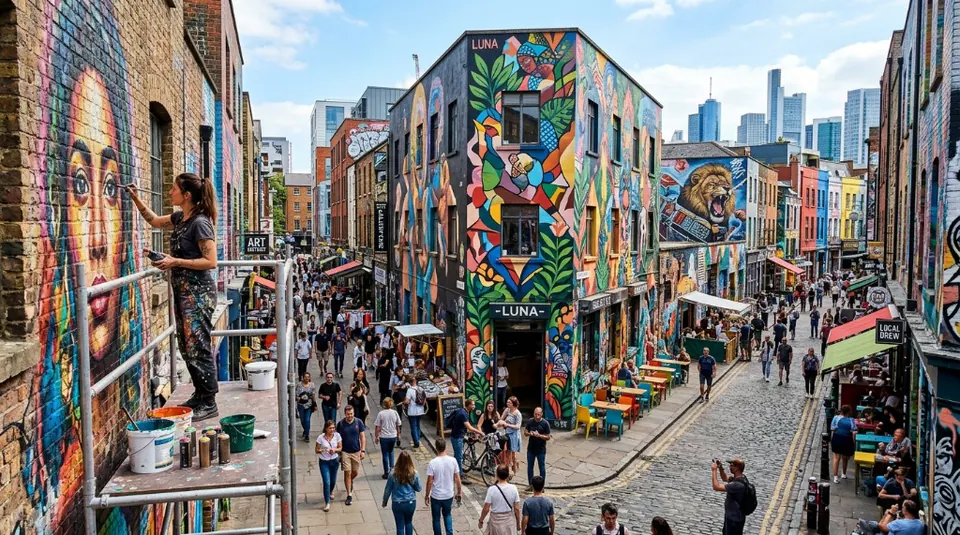
London is a global cultural chameleon, blending deep historical roots with a fierce commitment to the new. Its "Big Three" museums—the British Museum, the National Gallery, and the Tate Modern—offer a comprehensive journey through human history and creativity. But London's cultural soul is found in its diversity. The West End is the world's premier theater district, second only to Broadway, while the city's music scene has birthed everything from the Beatles to the latest in grime and electronic music. From the royal grandeur of Westminster to the cutting-edge galleries of Shoreditch, London is a city that celebrates the friction between tradition and innovation, making it one of the most vibrant cultural hubs on the planet.
5. New York City, USA
In the "city that never sleeps," culture is a high-octane 24/7 experience. New York City is home to "Museum Mile" on the Upper East Side, featuring the Metropolitan Museum of Art (The Met) and the iconic spiral of the Solomon R. Guggenheim Museum. Broadway remains the pinnacle of global musical theater, while the Lincoln Center is a world-class hub for opera, ballet, and jazz. But NYC’s culture is truly defined by its neighborhoods—the jazz clubs of Harlem, the art galleries of Chelsea, and the hip-hop roots of the Bronx. It is a city built by immigrants, and its culture is an incredible, messy, and brilliant tapestry of every country on Earth, constantly reinventing itself in real-time.
6. Berlin, Germany
Berlin is a city where history is literally written on the walls. Following the fall of the Wall, the city became a playground for artists from all over the world, drawn by low rents and a spirit of absolute freedom. Today, it is arguably the contemporary art capital of Europe. The "Museum Island" is a UNESCO-listed ensemble of five world-class museums, but Berlin's true energy is found in its alternative spaces—repurposed bunkers, former breweries, and the East Side Gallery, where the remains of the Berlin Wall have become a canvas for freedom. Berlin's culture is raw, provocative, and deeply intellectual, reflecting a city that has faced the darkest parts of human history and emerged as a beacon of creativity.
7. Kyoto, Japan
For a complete change of pace, Kyoto offers a window into the refined and ancient heart of Japanese culture. As the imperial capital for over a millennium, Kyoto is home to over 1,600 Buddhist temples and 400 Shinto shrines. Its culture is one of silence, ritual, and incredible craftsmanship. You can witness a traditional tea ceremony, wander through the Gion district hoping to spot a geisha, and explore the "Zen" beauty of the Ryoan-ji rock garden. Kyoto's art is found in its delicate textiles, its intricate pottery, and the perfectly manicured landscapes of its imperial villas. It is a city that has managed to preserve its soul in the face of modern technology, offering a masterclass in the value of tradition and mindfulness.
8. Madrid, Spain
Madrid is home to the "Golden Triangle of Art," a small area that contains three of the most important art museums in the world. The Prado Museum is a temple to Spanish royalty’s collection, featuring unparalleled works by Velázquez and Goya. The Reina Sofía Museum focuses on 20th-century art and is home to Picasso's devastating masterpiece, *Guernica*. Finally, the Thyssen-Bornemisza Museum provides a comprehensive overview of European painting from the 13th to the 20th century. Beyond the museums, Madrid’s culture is found in its lively tapas bars, its passionate flamenco tablaos, and its grand plazas. It is a city that lives its culture in the streets, with a warmth and energy that is uniquely Spanish.
9. Mexico City, Mexico
Mexico City is a cultural giant that is finally receiving its due on the global stage. It is a city of incredible layers—from the Aztec ruins of Templo Mayor to the colonial grandeur of the Zócalo and the modernist icons like the Soumaya Museum. It was the home of Frida Kahlo and Diego Rivera, and their legacy of revolutionary muralism is felt throughout the city. The National Museum of Anthropology is widely considered one of the best in the world, chronicling the incredible civilizations of Mesoamerica. Today, the city is a hub for contemporary design and gastronomy, blending its deep indigenous roots with a bold, modern vision. It is a place of incredible color, noise, and creative power.
10. Melbourne, Australia
Often cited as Australia's cultural capital, Melbourne is a city defined by its "laneway" culture and its obsession with the arts. It has a world-class museum scene, led by the National Gallery of Victoria (NGV), but its true character is found in its street art. The city’s laneways, like Hosier Lane, are ever-changing galleries of murals and stencils that are protected and celebrated. Melbourne is also a UNESCO City of Literature and home to a legendary live music scene that has produced some of the world's biggest acts. Its culture is accessible, unpretentious, and deeply integrated into the daily life of its residents, making it one of the most liveable and culturally vibrant cities in the Southern Hemisphere.
Sources and travel checks
Conditions, access, prices, schedules and safety guidance can change. Confirm current details with the linked authorities before travelling; for immediate risks, follow local officials, posted warnings and official advisories.
- UNESCO — Creative Cities NetworkChecked 2026-10-13 · Institutional context for designated creative cities and fields.
- Japan National Tourism Organization — Things to do in JapanChecked 2026-10-13 · Official destination context for Japanese places, culture and food.
These links document the references reviewed; they do not imply endorsement of Traverly.