 Traverly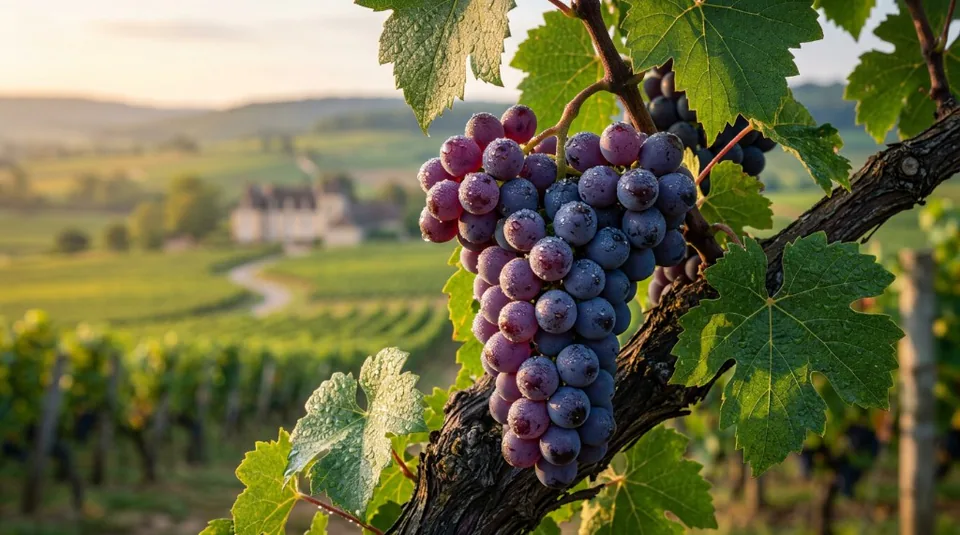
This ranked list is an editorial selection for travel inspiration, not an objective or universal measure. Wine is more than just a beverage; it is a direct expression of geography, climate, and culture—a concept the French call *terroir*. Across the globe, there are specific regions where the combination of soil, sun, and tradition has created some of the most sought-after liquids on Earth. These "famous places" are not just agricultural zones; they are cultural heartlands where the rhythm of life is dictated by the seasons of the vine. From the historic estates of the Old World to the innovative producers of the New World, wine regions offer some of the most breathtaking landscapes and rewarding travel experiences imaginable.
A journey through a great wine region is a multi-dimensional adventure. It involves standing in ancient cellars that smell of damp stone and oak, walking through rows of vines heavy with ripe fruit, and meeting the passionate individuals who dedicate their lives to the art of viticulture. Whether you are a dedicated oenophile or simply someone who appreciates a beautiful sunset over a rolling vineyard, these regions offer a unique blend of natural beauty, history, and sensory delight. Join us as we explore the 10 most iconic wine regions in the world.
1. Bordeaux, France
Bordeaux is arguably the most famous wine region in the world, serving as the benchmark for Cabernet Sauvignon and Merlot blends. Located in southwest France, the region is divided by the Gironde estuary into the "Left Bank" and the "Right Bank." It is home to thousands of wine-producing estates, ranging from small family farms to the legendary "First Growth" chateaus like Lafite Rothschild and Latour. The region’s history is visible everywhere, from the medieval city of Saint-Emilion to the elegant 18th-century architecture of Bordeaux city itself. A visit here is a masterclass in the tradition of winemaking, offering a chance to taste some of the most complex and long-lived wines ever produced.
2. Tuscany, Italy
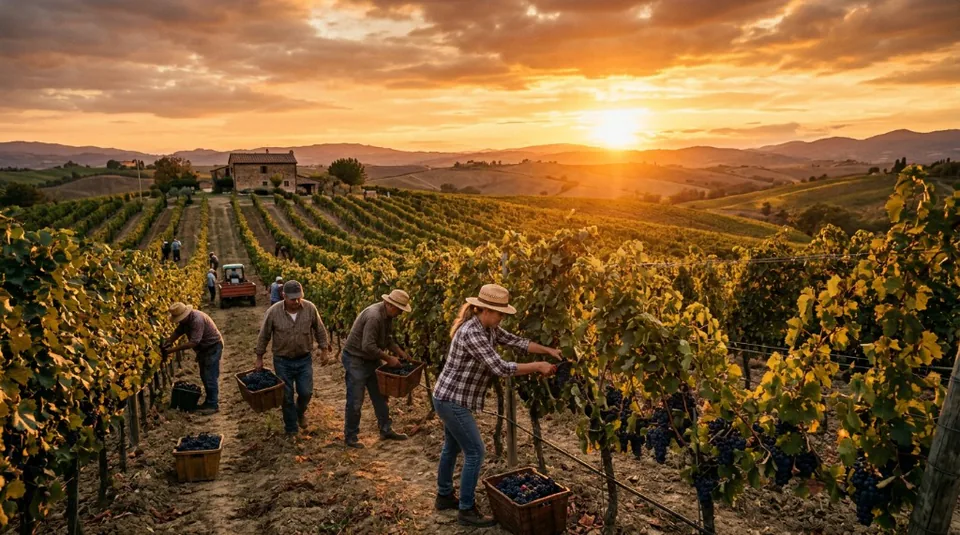
Tuscany is a region that captures the imagination like no other. Its landscape of rolling hills, cypress-lined avenues, and medieval hilltop towns is the perfect backdrop for the Sangiovese grape. The Chianti Classico region, situated between Florence and Siena, is the heart of Tuscan winemaking. Further south, the town of Montalcino produces the powerful and prestigious Brunello di Montalcino. During the harvest season, the hills the region glow with a warm golden light as workers meticulously hand-pick the grapes that will become some of Italy’s finest exports. Tuscany is not just about the wine; it’s about a way of life that celebrates the "sweetness of doing nothing" over a glass of red and a plate of local pecorino cheese.
3. Napa Valley, California, USA
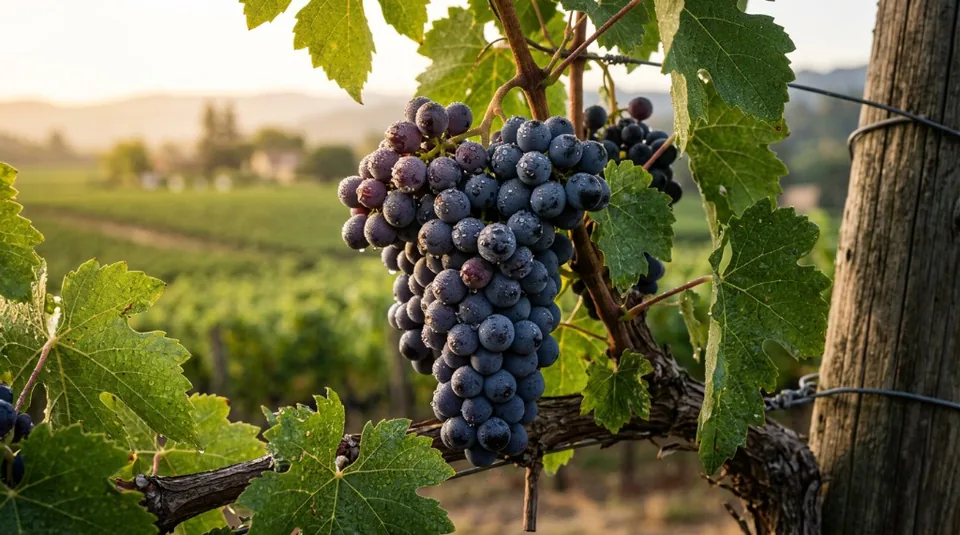
While relatively young compared to its European counterparts, Napa Valley has firmly established itself as a world-class wine destination. Located just north of San Francisco, the valley is famous for its powerful Cabernet Sauvignons and buttery Chardonnays. The region shot to global fame after the "Judgment of Paris" in 1976 when Napa wines beat top French estates in a blind tasting. Today, the valley is a high-end playground of architectural showpiece wineries, Michelin-starred restaurants, and luxury resorts. Despite its fame, the region remains committed to the craft, with many producers focusing on sustainable and organic viticulture in its diverse microclimates.
4. Rioja, Spain
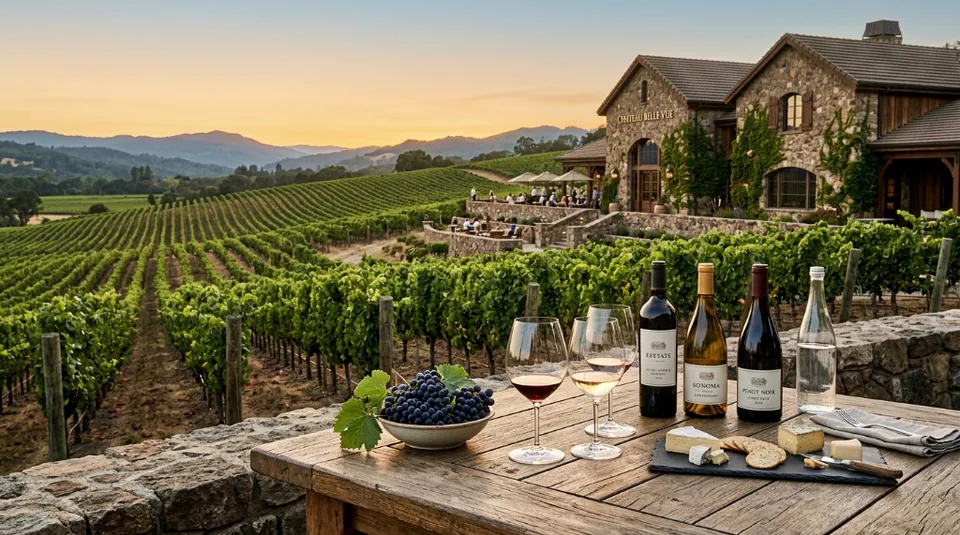
Rioja is Spain's most prestigious wine region, located in the north of the country. It is famous for its Tempranillo-based wines, which are known for their ability to age beautifully in oak barrels. The region is divided into three zones: Rioja Alta, Rioja Alavesa, and Rioja Oriental, each offering a slightly different profile. Rioja is a fascinating blend of old and new; you can visit centuries-old underground cellars in the town of Haro or marvel at the avant-garde architecture of wineries like Marqués de Riscal, designed by Frank Gehry. The local culture is deeply tied to the wine, with festivals and "tapas crawls" in Logroño that celebrate the region's incredible bounty.
5. Mendoza, Argentina
Mendoza is the heart of South American winemaking, responsible for nearly 70% of Argentina's wine production. Set at the foot of the snow-capped Andes Mountains, the region’s high-altitude vineyards produce Malbecs that are world-renowned for their deep color and floral aromas. The semi-desert climate and the use of snowmelt for irrigation allow for exceptionally consistent quality. The "Uco Valley" sub-region has become particularly famous for its premium, high-altitude estates. A visit to Mendoza often involves long lunches at winery restaurants with panoramic mountain views, followed by a glass of wine under some of the clearest night skies in the Southern Hemisphere.
6. Douro Valley, Portugal
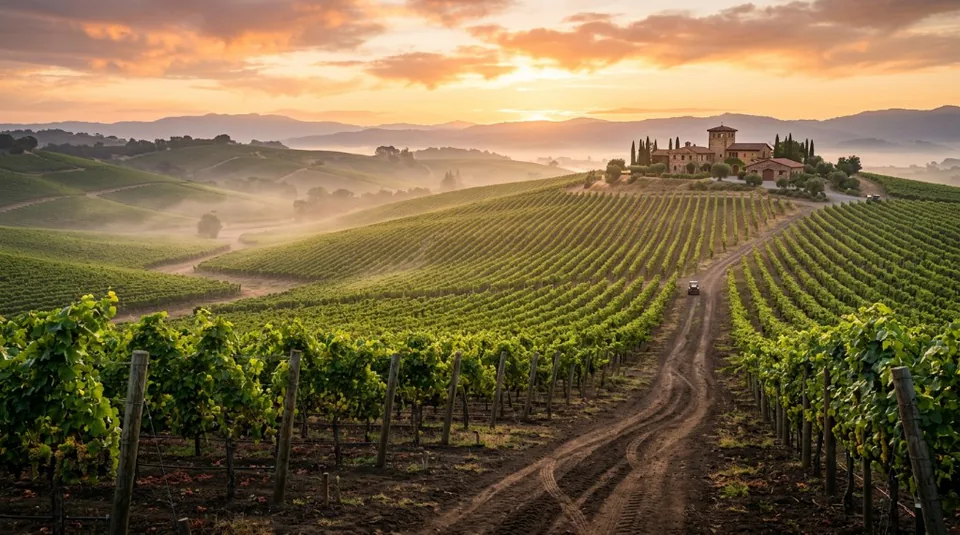
The Douro Valley is one of the most visually stunning wine regions on Earth. It is the oldest demarcated wine region in the world (established in 1756) and is a UNESCO World Heritage site. The steep, terraced vineyards are carved directly into the schist hillsides along the Douro River, creating a dramatic, geometric landscape. While historically famous for Port wine, the region is now gaining a major reputation for its dry table wines. Staying at a *quinta* (wine estate) and watching the sunset reflect off the river as you sip a glass of Tawny Port is an experience that perfectly captures the soul-stirring beauty of northern Portugal.
7. Barossa Valley, Australia
The Barossa Valley is Australia's most famous wine region, known for its bold, powerful Shiraz produced from some of the oldest vines in the world. Located about an hour north of Adelaide, the region has a unique heritage influenced by 19th-century German settlers, which is still visible in its architecture and food. The "Ironstone" soils and warm climate create wines with intense dark fruit flavors and spicy notes. The Barossa is a friendly, unpretentious region where you can meet the winemakers at small cellar doors or enjoy a gourmet picnic among the gum trees. It is a place that celebrates the bold, sun-drenched character of the Australian landscape.
8. Champagne, France
No list of wine regions would be complete without Champagne. Located just a short train ride east of Paris, this region is the only place in the world that can legally use the name "Champagne" for its sparkling wines. The landscape is dominated by rolling chalk hills and the historic cities of Reims and Épernay. The real magic happens underground, in the miles of ancient chalk tunnels where millions of bottles are currently aging. Visiting the legendary "Houses" like Moët & Chandon or Veuve Clicquot and learning about the painstaking *méthode traditionelle* is an essential experience for any wine lover. It is a region that embodies celebration, elegance, and artisanal perfection.
9. Stellenbosch, South Africa
Stellenbosch is the crown jewel of the South African winelands. Located just 45 minutes from Cape Town, the region is famous for its stunning Cape Dutch architecture and its diverse range of wines, particularly Cabernet Sauvignon and Chenin Blanc. The vineyards are set against a backdrop of dramatic granite mountains, including the towering Simonsberg. Stellenbosch is also an academic hub, home to South Africa's only university with a viticulture department. The region’s "Wine Routes" are incredibly well-developed, offering a mix of historic estates and modern, design-focused wineries, all serving up world-class wine with warm South African hospitality.
10. Marlborough, New Zealand
Marlborough single-handedly put New Zealand on the global wine map in the 1980s with its explosive, zesty Sauvignon Blanc. Now the country's largest wine region, it is located at the northeastern tip of the South Island. The combination of high sunshine hours and cool nights creates wines with signature aromas of passionfruit and fresh-cut grass. Beyond the vines, the region is famous for the Marlborough Sounds, a network of sea-drowned valleys that offer incredible boating and seafood. Cycling through the flat, sunny Wairau Valley from one winery to another is perhaps the most relaxed and enjoyable way to experience this vibrant corner of Oceania.
Sources and travel checks
Conditions, access, prices, schedules and safety guidance can change. Confirm current details with the linked authorities before travelling; for immediate risks, follow local officials, posted warnings and official advisories.
- Italia.it — Discover Italy: official tourism websiteChecked 2026-10-13 · Official destination context for Italian places, food and wine.
- Explore France — A tour of France’s notable sites and citiesChecked 2026-10-13 · French tourism authority context for cities and regional heritage.
These links document the references reviewed; they do not imply endorsement of Traverly.