 Traverly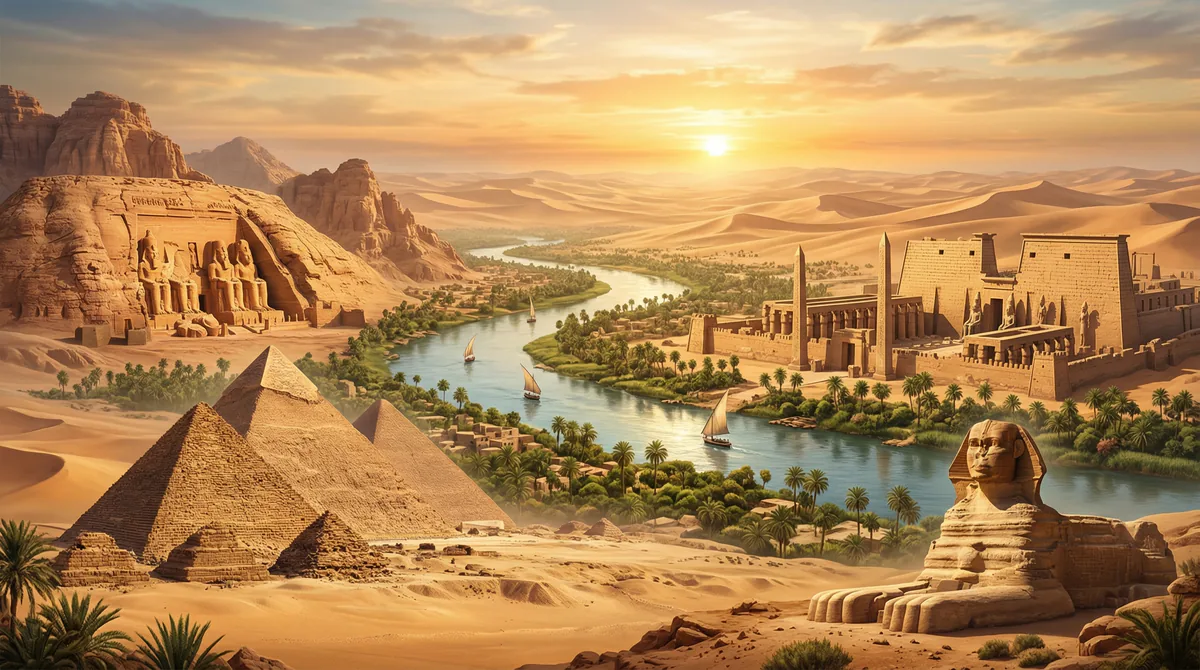
This ranked list is an editorial selection for travel inspiration, not an objective or universal measure. Egypt is one of the world’s most fascinating travel destinations, known for its ancient history, monumental architecture, and rich cultural heritage. Often referred to as the cradle of civilization, Egypt has been home to some of the earliest and most influential societies in human history. From the majestic pyramids of Giza to the grand temples along the Nile River, the country offers a unique journey through time, allowing visitors to explore the legacy of the pharaohs and the mysteries of ancient Egyptian civilization. These historical sites are not only architectural marvels but also symbols of innovation, spirituality, and artistic excellence that have stood the test of time for thousands of years.
Travelers visiting Egypt can immerse themselves in stories of gods and kings, discover intricate hieroglyphics carved into stone, and witness engineering achievements that continue to amaze historians and archaeologists. Beyond the monuments, Egypt’s landscapes—from vast deserts to the life-giving Nile—add to the sense of wonder and exploration. Whether you are a history enthusiast, a cultural traveler, or simply curious about one of the world’s oldest civilizations, Egypt offers an unforgettable experience. This guide highlights the top 10 historical sites in Egypt, each representing a piece of the country’s incredible past and enduring legacy.
1. Great Pyramids of Giza – Giza Plateau
The Great Pyramids of Giza are among the most iconic landmarks in the world and stand as a testament to the ingenuity of ancient Egyptian civilization. Built over 4,500 years ago during the Fourth Dynasty, these massive structures were constructed as tombs for the pharaohs Khufu, Khafre, and Menkaure. The largest pyramid, the Great Pyramid of Khufu, was once the tallest man-made structure in the world and remains one of the Seven Wonders of the Ancient World.
Visitors to the Giza Plateau can explore not only the pyramids themselves but also the surrounding complex, including smaller pyramids, temples, and the famous Great Sphinx. The precision and scale of these structures continue to puzzle historians, as they were built using techniques that are still not fully understood. Walking around the pyramids offers a sense of awe and connection to ancient history, while entering the interior chambers provides insight into burial practices and architectural design. The site is particularly breathtaking at sunrise and sunset, when the desert landscape enhances the dramatic presence of the pyramids.
2. Karnak Temple – Luxor
Karnak Temple is one of the largest religious complexes ever built and served as a major center of worship in ancient Egypt. Dedicated primarily to the god Amun, the temple complex was expanded over several centuries by different pharaohs, resulting in a vast collection of halls, pylons, and obelisks. The Great Hypostyle Hall, with its towering columns covered in intricate carvings, is one of the most impressive features of the site.
Visitors can wander through massive gateways, explore sacred lakes, and admire detailed hieroglyphics that depict religious rituals and royal achievements. Karnak’s scale and complexity make it a must-visit destination for those interested in ancient architecture and spirituality. The temple is especially enchanting during evening light shows, which illuminate its structures and narrate its history.
3. Valley of the Kings – Luxor
The Valley of the Kings is a royal burial ground that served as the final resting place for many pharaohs of the New Kingdom, including the famous Tutankhamun. Hidden among desert hills, this site contains elaborately decorated tombs carved deep into the rock.
Each tomb features detailed wall paintings and hieroglyphics that depict the journey to the afterlife. Visitors can enter several tombs to witness the vibrant colors and intricate artwork that have survived for thousands of years. The valley offers a unique glimpse into ancient Egyptian beliefs about death and the afterlife, making it one of the most important archaeological sites in the world.
4. Abu Simbel Temples – Aswan
The Abu Simbel temples are monumental rock-cut structures built by Pharaoh Ramses II. These temples are famous for their massive statues of the pharaoh seated at the entrance.
Relocated in the 1960s to avoid flooding from the Aswan High Dam, the temples remain a symbol of both ancient and modern engineering achievements. Inside, visitors can explore chambers adorned with carvings that celebrate Ramses II’s victories and devotion to the gods. The site is particularly remarkable during the solar alignment event, when sunlight illuminates the inner sanctuary.
5. Egyptian Museum – Cairo
The Egyptian Museum in Cairo houses one of the largest collections of ancient Egyptian artifacts in the world. It is home to treasures from Tutankhamun’s tomb, including his famous golden mask.
Visitors can explore thousands of artifacts, including statues, jewelry, and mummies, each telling a story of Egypt’s past. The museum provides valuable context for understanding the historical sites across the country and is an essential stop for anyone interested in Egyptian history.
6. Temple of Hatshepsut – Luxor
The Temple of Hatshepsut is a stunning architectural masterpiece built for one of Egypt’s most powerful female pharaohs. Set against towering cliffs, the temple features terraces, colonnades, and detailed carvings that highlight her reign.
The site is known for its elegant design and harmonious integration with the surrounding landscape. Visitors can learn about Hatshepsut’s achievements and her role in expanding trade and influence during her rule.
7. Philae Temple – Aswan
Philae Temple is dedicated to the goddess Isis and is located on an island in the Nile River. The temple complex was relocated to its current location to preserve it from flooding.
Visitors can reach the temple by boat, adding to the sense of adventure and beauty. The site features intricate carvings, towering columns, and a peaceful atmosphere that reflects its spiritual significance.
8. Saqqara – Step Pyramid Complex
Saqqara is home to the Step Pyramid of Djoser, one of the earliest stone pyramids in Egypt. This site represents a major development in pyramid construction and architectural design.
Visitors can explore tombs, temples, and burial complexes that provide insight into early Egyptian civilization. The Step Pyramid stands as a symbol of innovation and marks the beginning of monumental stone architecture.
9. Edfu Temple – Edfu
Edfu Temple is one of the best-preserved temples in Egypt, dedicated to the god Horus. Its walls are covered in detailed carvings that depict mythological stories and religious rituals.
The temple’s grand entrance and well-preserved structure allow visitors to experience what ancient temples looked like in their prime. It is a highlight for those interested in mythology and architecture.
10. Luxor Temple – Luxor
Luxor Temple is a magnificent structure located in the heart of Luxor. Built by Amenhotep III and expanded by Ramses II, it was used for religious ceremonies and festivals.
The temple is especially beautiful at night when illuminated, showcasing its columns, statues, and carvings. Its central location and historical significance make it a key attraction for visitors exploring Egypt’s ancient heritage.
Sources and travel checks
Conditions, access, prices, schedules and safety guidance can change. Confirm current details with the linked authorities before travelling; for immediate risks, follow local officials, posted warnings and official advisories.
- Egypt Ministry of Tourism and Antiquities — Giza PlateauChecked 2026-10-13 · Official historical context for the Giza monuments.
- UNESCO World Heritage Centre — World Heritage ListChecked 2026-10-13 · Authoritative listing and status of World Heritage properties.
These links document the references reviewed; they do not imply endorsement of Traverly.