 Traverly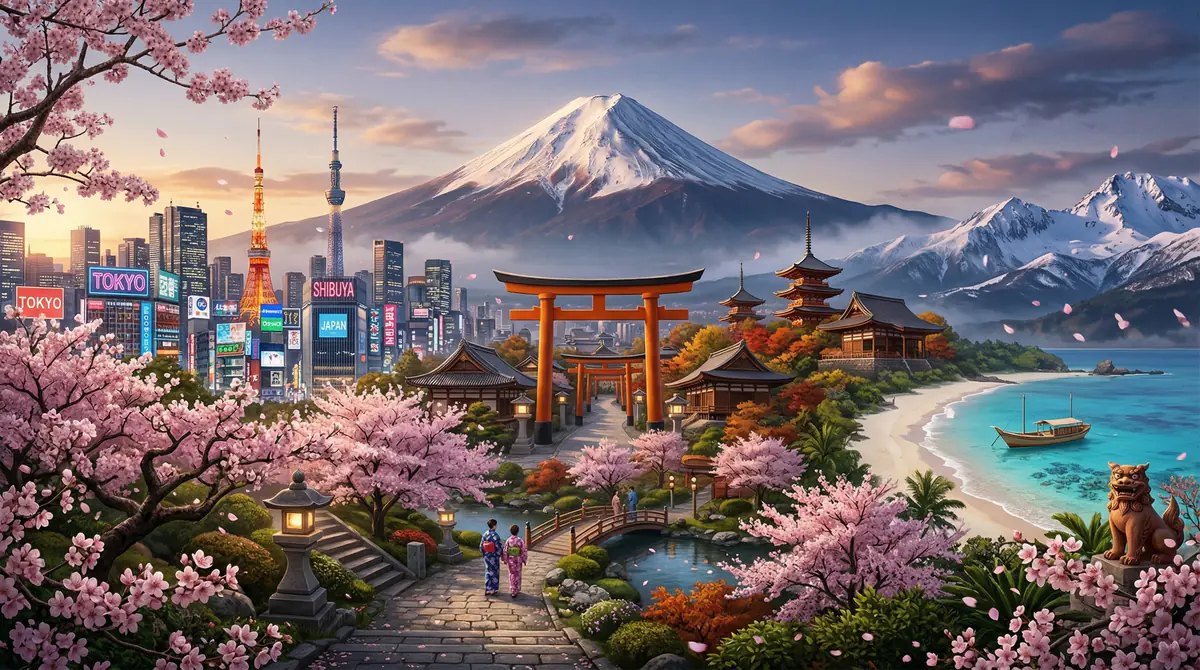
This ranked list is an editorial selection for travel inspiration, not an objective or universal measure. Japan, the Land of the Rising Sun, is a destination where tradition and modernity exist side by side, offering travelers an unforgettable mix of culture, history, and natural beauty. From bustling cities with neon-lit streets to serene temples surrounded by cherry blossoms, Japan appeals to every type of traveler. Seasonal changes bring stunning visual transformations, with spring showcasing delicate cherry blossoms, autumn filling forests with vibrant red and gold leaves, and winter blanketing mountains in pristine snow. Visitors can explore ancient shrines, historical castles, and UNESCO World Heritage sites, while also enjoying modern marvels like futuristic architecture, advanced transport systems, and lively urban districts. The country also provides opportunities for outdoor adventures, such as hiking in the Japanese Alps, soaking in natural hot springs, or exploring coastal landscapes. Japanese cuisine, from sushi to street food specialties, offers a taste of the nation’s regional diversity. This guide highlights the top 10 places to visit in Japan, giving travelers an ideal roadmap to experience the country’s history, culture, and natural wonders.
1. Tokyo – The Vibrant Capital
Tokyo is Japan’s energetic capital, combining modern skyscrapers with historic temples and serene gardens. Shibuya Crossing is one of the world’s busiest intersections, while districts like Asakusa preserve traditional charm. Visitors can shop in Ginza, savor authentic street food, and explore museums or art galleries. Tokyo also offers tranquil retreats such as the Meiji Shrine and Ueno Park. The city is a hub for technology, fashion, and pop culture, providing a diverse experience for first-time and returning visitors alike.
2. Kyoto – Temples and Tradition
Kyoto is Japan’s cultural heart, famous for its historic temples, Shinto shrines, and traditional tea houses. The Fushimi Inari Taisha shrine features thousands of vermilion torii gates, while Kinkaku-ji (Golden Pavilion) and the Gion district showcase architectural beauty and geisha culture. Seasonal highlights, including cherry blossoms and autumn leaves, make the city visually stunning. Kyoto allows visitors to immerse themselves in Japan’s history and spiritual traditions.
3. Osaka – Food and Fun
Osaka is renowned for its lively atmosphere, street food, and entertainment. Dotonbori Street offers neon lights and local delicacies like takoyaki and okonomiyaki. Osaka Castle tells the story of Japan’s feudal era, while Universal Studios Japan provides family-friendly attractions. With shopping districts, cultural festivals, and nightlife, Osaka combines fun and tradition seamlessly.
4. Hiroshima – History and Reflection
Hiroshima is a city of resilience and remembrance. The Peace Memorial Park and Museum commemorate the events of 1945, while nearby Miyajima Island features the iconic floating torii gate of Itsukushima Shrine. Hiroshima balances historical significance with natural beauty and local culinary experiences, such as its famous okonomiyaki.
5. Nara – Ancient Temples and Deer
Nara, Japan’s former capital, is famous for its historic temples and freely roaming deer. Todai-ji Temple houses the world’s largest bronze Buddha, and Kasuga Taisha Shrine features lantern-lined pathways. Nara Park allows visitors to interact with sacred deer, while gardens and traditional streets offer a peaceful, cultural experience near Kyoto and Osaka.
6. Mount Fuji – Iconic Peak
Mount Fuji, Japan’s tallest mountain, is an iconic symbol of the nation. Its symmetrical snow-capped peak is breathtaking during sunrise or cherry blossom season. Visitors can hike trails, explore the Fuji Five Lakes region, or enjoy hot springs with scenic views. Mount Fuji offers both adventure and spiritual significance.
7. Hokkaido – Nature and Adventure
Hokkaido, Japan’s northernmost island, is known for pristine landscapes, national parks, and ski resorts. Travelers can enjoy flower fields in Furano, winter sports in Niseko, and hot springs surrounded by natural scenery. The island’s seafood cuisine and untouched nature make it ideal for adventure and relaxation alike.
8. Okinawa – Tropical Paradise
Okinawa is a tropical island paradise with white sandy beaches, turquoise waters, and Ryukyu culture. Visitors can snorkel, dive, and explore Shurijo Castle and local festivals. Okinawa’s relaxed pace, warm climate, and natural beauty make it perfect for leisure and cultural immersion.
9. Nikko – Sacred Mountains
Nikko, located north of Tokyo, is famous for ornate shrines including the UNESCO-listed Toshogu Shrine. The surrounding national park offers waterfalls, hiking trails, and stunning autumn foliage. Nikko combines spiritual heritage with natural beauty for a serene escape from city life.
10. Kanazawa – Art and Tradition
Kanazawa, on Japan’s western coast, features preserved Edo-era districts, Kenrokuen Garden, and traditional crafts. Visitors can explore historic samurai residences, tea houses, and art museums. The city offers authentic Japanese cultural experiences away from crowded tourist hubs.
Sources and travel checks
Conditions, access, prices, schedules and safety guidance can change. Confirm current details with the linked authorities before travelling; for immediate risks, follow local officials, posted warnings and official advisories.
- Japan National Tourism Organization — Things to do in JapanChecked 2026-10-13 · Official destination context for Japanese places, culture and food.
These links document the references reviewed; they do not imply endorsement of Traverly.