 Traverly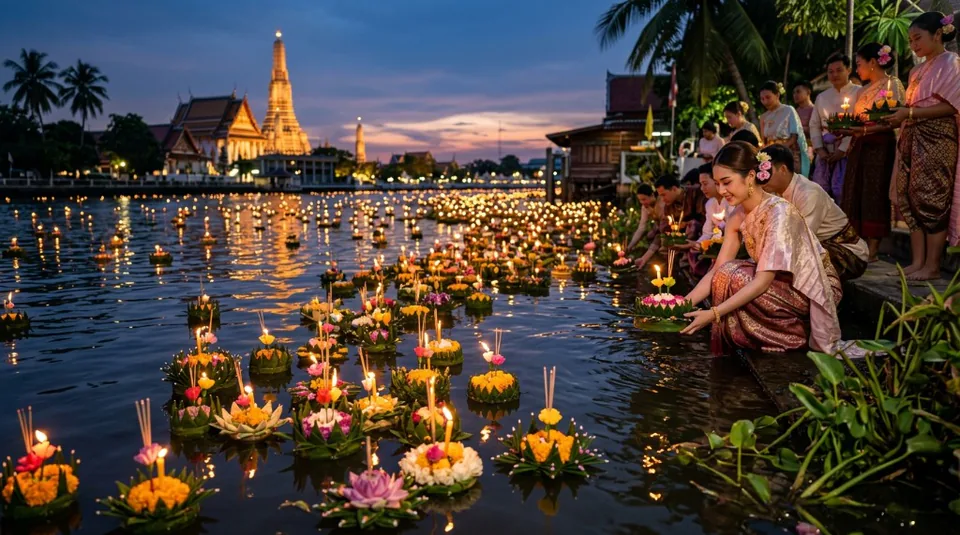
This ranked list is an editorial selection for travel inspiration, not an objective or universal measure. Thailand is internationally renowned for its stunning tropical beaches, ornate ancient temples, and incredibly tantalizing street food. However, to truly understand the vibrant heartbeat and cultural depths of the 'Land of Smiles,' one must experience its spectacular festivals. Thai culture is deeply rooted in elaborate ceremonies, agrarian traditions, and Buddhist philosophy, all of which are exuberantly expressed through a calendar full of dynamic national and regional celebrations. Participating in a Thai festival is not merely a tourist activity; it is a profound, joyful immersion into the local way of life, where the boundaries between locals and visitors dissolve into mutual celebration.
Whether you find yourself engaging in a nationwide, multi-day water fight during the peak of summer, or standing silently by a serene river watching thousands of candle-lit offerings float away into the starry night, Thailand’s festivals offer experiences that linger in the memory for a lifetime. From the deeply spiritual to the outrageously fun, here are the top 10 festivals you absolutely must experience when visiting Thailand.
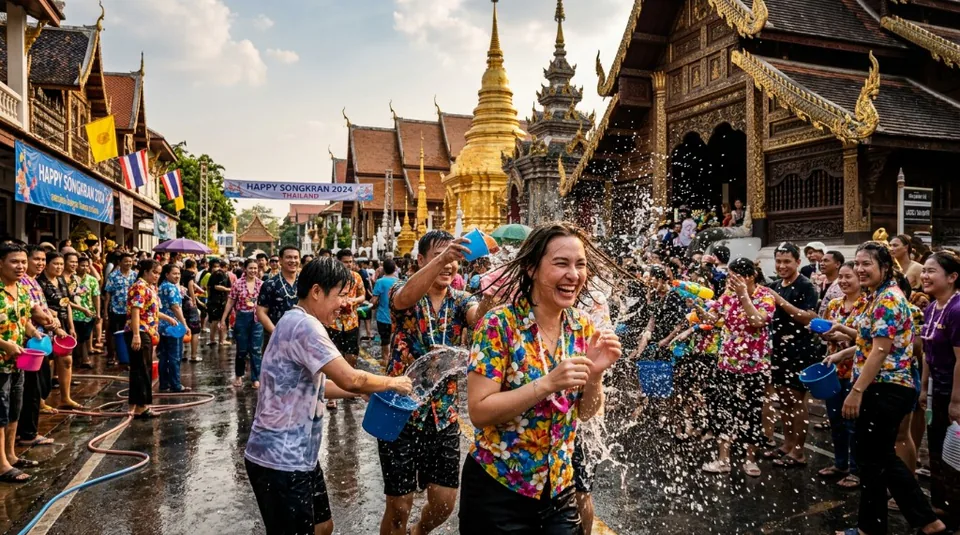
1. Songkran (The Water Festival)
Celebrated annually from April 13th to 15th, Songkran marks the traditional Thai New Year. What began as a gentle, spiritual tradition of pouring scented water over statues of Buddha and the hands of elders to wash away the previous year’s misfortunes is now widely celebrated with public water festivities alongside its religious and family traditions. During Songkran, the entire country effectively shuts down business as usual. Streets are overtaken by revelers armed with massive water guns, buckets of icy water, and hoses. While hotspots like Silom Road in Bangkok and the old city moat in Chiang Mai offer electrifying, concert-like atmospheres with DJs and foam parties, the underlying spiritual significance of renewal and respect remains the core of the holiday.
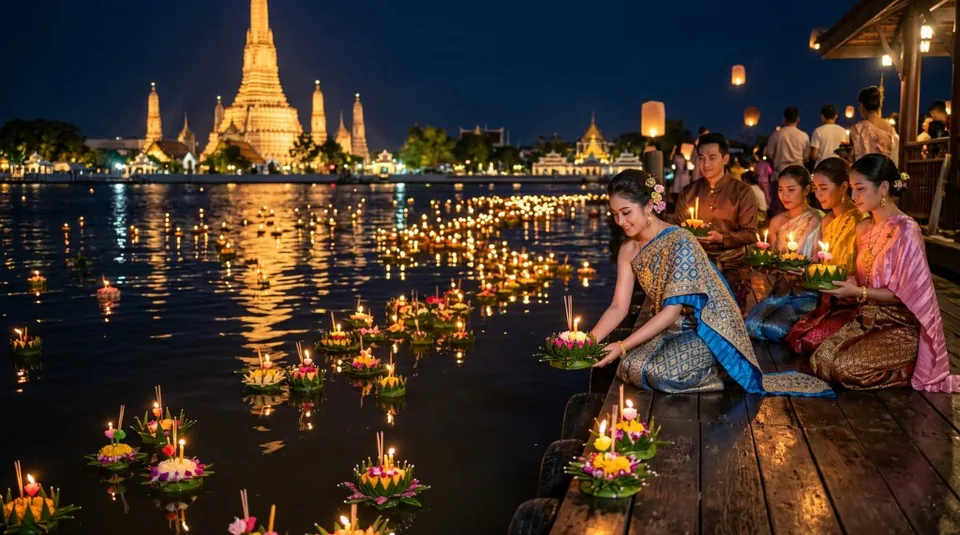
2. Loy Krathong (The Festival of Light)
Often cited as Thailand’s most beautiful and romantic festival, Loy Krathong takes place on the evening of the full moon of the 12th month in the traditional Thai lunar calendar (usually November). "Loy" means to float, and a "Krathong" is a small, lotus-shaped receptacle traditionally made from banana leaves, intricately decorated with vibrant flowers, incense sticks, and a candle. As dusk falls, millions of Thais gather by rivers, lakes, and canals nationwide to cast their illuminated krathongs onto the water. This poignant ritual symbolizes letting go of grudges, negative energy, and past transgressions, whilst honoring the Goddess of Water, Phra Mae Khongkha. The sight of thousands of flickering candles drifting along the waterways is profoundly peaceful and moving.
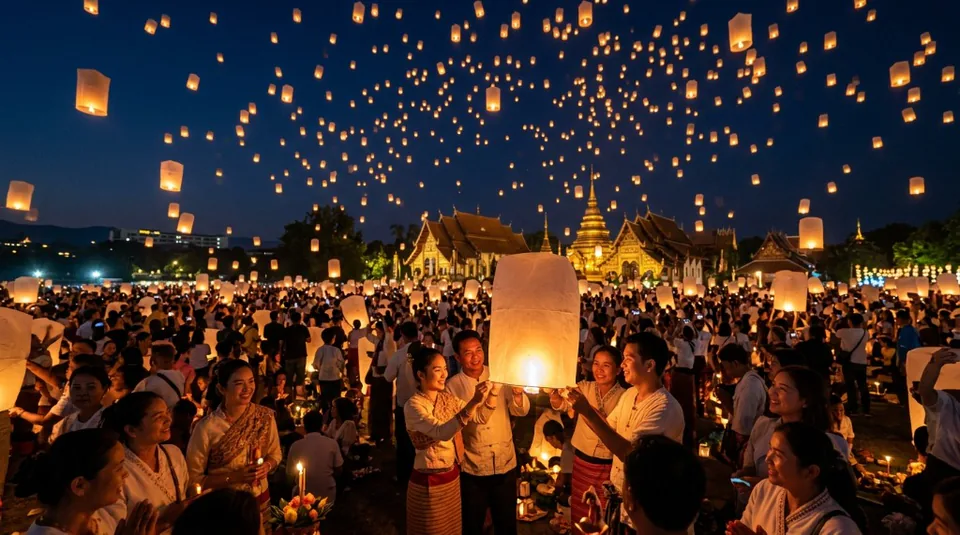
3. Yi Peng (The Lantern Festival)
Coinciding with Loy Krathong, the Yi Peng festival is uniquely celebrated in Northern Thailand, with Chiang Mai being the absolute epicenter. Rooted deeply in ancient Lanna traditions, Yi Peng replaces water-bound krathongs with *khom loi*—delicate paper lanterns propelled by the hot air from a small flame suspended inside. After offering prayers and making a wish, participants release these lanterns simultaneously into the black night sky. The sheer volume of lanterns rising softly over the historic pagodas and ancient moats creates a surreal, magical atmosphere that resembles a sky filled with rapidly moving stars. The festival is also accompanied by intricate parades, traditional Lanna dance performances, and spectacular fireworks displays.
4. Phi Ta Khon (The Ghost Festival)
In the quiet, rural northeastern province of Loei, the small town of Dan Sai erupts into a kaleidoscope of color and noise during the Phi Ta Khon (Ghost Festival). Held annually around June or July, this three-day celebration is deeply linked to local animist beliefs and a Buddhist tale where a prince's return brought so much joy that the dead awoke to join the celebration. Locals don incredibly elaborate, terrifyingly vibrant masks carved from coconut tree trunks and woven sticky rice steamers. Wearing patchwork costumes adorned with heavy cowbells that clank loudly as they dance wildly through the streets, the "ghosts" playfully tease onlookers. The energy is wildly infectious, offering a rare glimpse into deep-rooted Isaan folklore.
5. The Phuket Vegetarian Festival
Officially known as the Nine Emperor Gods Festival, the Phuket Vegetarian Festival (held over nine days in October) is not merely a celebration of plant-based eating; it is an intense, awe-inspiring display of extreme religious devotion. Devotees belonging to the local Chinese community purify their bodies by adhering to a strict vegan diet, abstaining from alcohol and various worldly vices. The festival culminates in unbelievable processions where entranced *mahsong* (spirit mediums) perform shocking acts of self-mortification. Displaying superhuman endurance, these individuals pierce their cheeks and bodies with extraordinary objects—ranging from swords and skewers to umbrellas and bicycles—without showing any signs of pain, believing the gods protect them. It is a staggering, albeit not for the faint-hearted, spectacle.
6. Boon Bang Fai (The Rocket Festival)
Before the crucial monsoon season begins—typically in May—the agrarian communities of the Isaan region, particularly in Yasothon, ensure the rains will arrive by launching massive, homemade rockets into the sky. Known as Boon Bang Fai, this ancient fertility rite is directed at Phaya Thaen, the god of rain. Teams of local men spend months constructing massive bamboo and PVC rockets, sometimes packing over 100 kilograms of gunpowder. The launch day is a raucous, alcohol-fueled competition accompanied by loud folk music and cross-dressing comedic dances. The rockets are judged on altitude and trajectory; if your team's rocket fails to fire or abruptly crashes, tradition dictates you will be mercilessly thrown into the nearest mud puddle by the opposing groups!
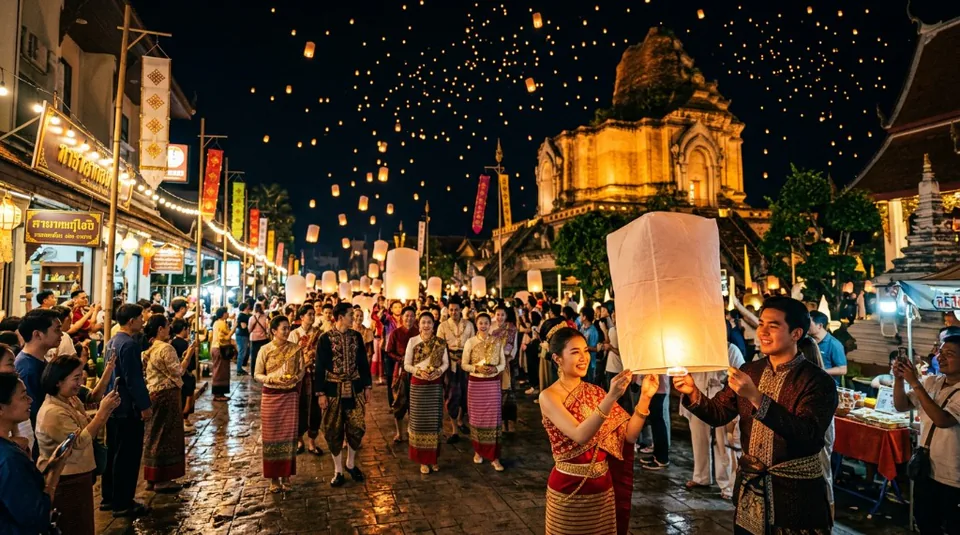
7. Chinese New Year (Yaowarat)
Because Thailand is home to one of the largest ethnic Chinese populations outside of China, Chinese New Year is celebrated with staggering fervor, especially in Bangkok’s bustling Chinatown, Yaowarat. Usually falling in January or February, the neighborhood transforms into a sea of auspicious red. The main arteries are closed to vehicles and flooded with massive crowds eager to watch the dazzling acrobatic dragon and lion dances that weave through the streets. Firecrackers explode incessantly to ward off evil spirits, while the street food stalls offer special holiday delicacies. The entire area hums with electric energy, making it an unmissable cultural collision of Thai and Chinese traditions.
8. Wonderfruit Festival
While most festivals on this list are rooted in centuries of tradition, Wonderfruit proves that modern Thailand knows how to pioneer world-class contemporary events. Held annually in December in the fields of Pattaya, Wonderfruit is Thailand’s premier arts, music, and lifestyle festival, drawing comparisons to Burning Man and Glastonbury. However, Wonderfruit distinguishes itself through a rigorous commitment to sustainability and holistic wellness. Scattered among the stunning, avant-garde bamboo stages built by renowned architects, attendees can enjoy diverse international and local DJ sets, organic farm-to-table banquets, cutting-edge art installations, immersive wellness workshops, and thought-provoking sustainability talks. It is a progressive, globally-minded celebration of creativity.
9. Ubon Ratchathani Candle Festival
Marking the beginning of *Khao Phansa* (Buddhist Lent) in July, the Ubon Ratchathani Candle Festival is a magnificent display of regional artistry and deep religious devotion. For months leading up to the festival, skilled local artisans painstakingly carve towering, incredibly intricate wax sculptures depicting mythological creatures, Buddhist stories, and elaborate deities. These breathtaking wax floats can weigh several tons and stretch over twenty feet long. During the festival, these masterpieces are paraded through the city streets on lavishly decorated floats, accompanied by traditional dancers and folk musicians. It is a culturally rich, visually stunning event that perfectly highlights the artistic heritage of Thailand’s northeast.
10. Lopburi Monkey Banquet
There are very few festivals in the world where humans throw a massive feast entirely for the benefit of animals, but the Lopburi Monkey Banquet is exactly that. Positioned just a couple of hours north of Bangkok, the city of Lopburi is famously overrun by thousands of long-tailed macaques who reside in the ancient Khmer ruins of Phra Prang Sam Yot. Held on the last Sunday of November, the festival features over 4,000 kilograms of fresh fruits, vegetables, sticky rice, and colorful Thai desserts elegantly arranged on long tables for the monkeys to gorge on. The banquet acts as a massive "thank you" from the locals to the monkeys for attracting lucrative tourism to their quiet town. Watching the chaotic, playful feast unfold is wildly entertaining and completely unique.
Sources and travel checks
Conditions, access, prices, schedules and safety guidance can change. Confirm current details with the linked authorities before travelling; for immediate risks, follow local officials, posted warnings and official advisories.
- Tourism Authority of Thailand — Festivals and eventsChecked 2026-10-13 · Official context for Thai festivals and cultural events.
These links document the references reviewed; they do not imply endorsement of Traverly.