 Traverly
This ranked list is an editorial selection for travel inspiration, not an objective or universal measure. Italy is a country that captures the imagination of millions of travelers every year, whispering promises of ancient history, world-renowned culinary delights, and breathtaking art. However, logic dictates that the most famous destinations—Rome, Florence, Venice, and the Amalfi Coast—often suffer from overwhelming crowds. While the Colosseum and the Grand Canal are undeniably spectacular, standard tourist itineraries merely scratch the surface of what the Italian peninsula has to offer. For those willing to venture just a little further, Italy reveals an astonishing array of hidden gems that remain wonderfully oblivious to mass tourism.
From medieval villages suspended on crumbling cliffs to secret mountainous regions dotted with pristine waterfalls, Italy’s lesser-known regions offer an authentic, intimate experience. Here, you can sip espresso with locals in ancient squares, explore perfectly preserved medieval castles without waiting in line, and savor family recipes passed down through generations. In this guide, we take you off the beaten path to explore the top 10 hidden gems in Italy that you absolutely must add to your bucket list.
1. Civita di Bagnoregio ("The Dying City")
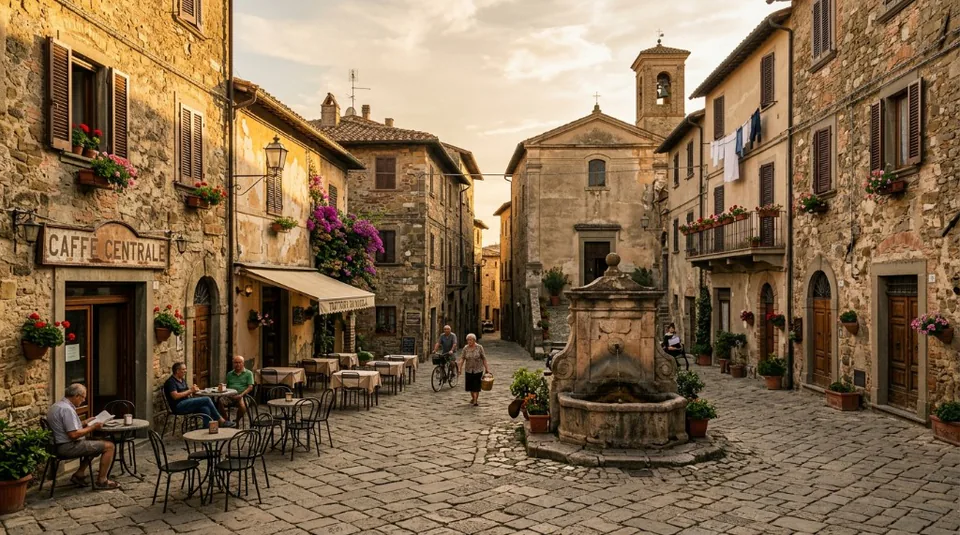
Perched dramatically atop a pinnacle of friable volcanic tuff in the Lazio region, Civita di Bagnoregio is a sight that defies imagination. Often referred to as *La Città che Muore* (The Dying City) because of the constant erosion that threatens its existence, this medieval village is accessible only by a long pedestrian bridge. Stepping into Civita feels like stepping back into the Middle Ages. Its narrow, winding streets are immaculately preserved, adorned with blooming flowers cascading from stone balconies and ancient Romanesque archways. Because it is traffic-free and has only a handful of year-round residents, the atmosphere is incredibly peaceful, making it arguably one of Italy's most surreal and inspiring retreats.
2. Matera (The City of Caves)
Located in the remote southern region of Basilicata, Matera is one of the oldest continuously inhabited cities on the planet. Its defining feature is the *Sassi di Matera*, a sprawling complex of ancient cave dwellings carved directly into the limestone canyon. For much of the 20th century, Matera was considered the "shame of Italy" due to its extreme poverty, but a massive revitalization project has transformed these historic caves into stunning boutique hotels, atmospheric cafes, and fascinating museums. Exploring the labyrinthine alleys of Matera, especially as they light up at dusk resembling a starry sky, is a transformative experience. Do not miss the *rupestrian* churches, which feature breathtaking Byzantine frescoes painted directly onto the cave walls.
3. Alberobello (The Trulli Town)
Deep in the heel of Italy's boot lies the region of Puglia, home to the whimsical town of Alberobello. This UNESCO World Heritage site is famous for its *trulli*—unique, whitewashed dry-stone huts with conical roofs constructed without any mortar. Strolling through the Rione Monti district, which features over a thousand *trulli* clustered together along narrow, winding streets, feels like wandering through a fairytale village. Many of these historic structures have been converted into artisan shops, cozy cafes, and even charming bed-and-breakfasts. Be sure to venture just outside the main tourist drag to fully appreciate the tranquil, rural charm of the Valle d'Itria.
4. Procida (The Colorful Island)
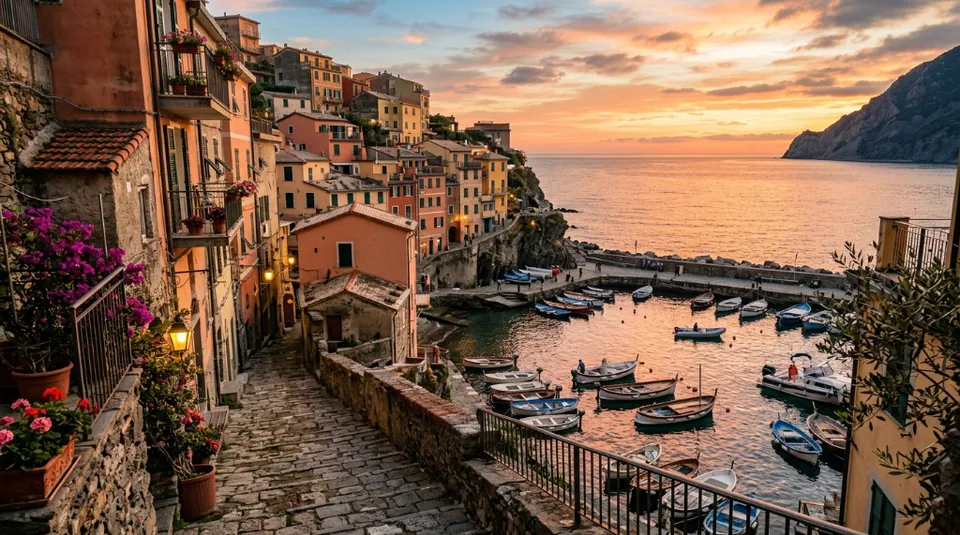
While millions flock to the glitzy islands of Capri and Ischia, the tiny island of Procida, tucked away in the Bay of Naples, remains proudly authentic and remarkably unspoiled. Named Italy’s Capital of Culture in 2022, Procida's defining image is Marina di Corricella, a breathtaking waterfront crescent of houses painted in vibrant pastel shades of pink, yellow, and blue. Unlike its glamorous neighbors, Procida is a working island where fishermen repair their nets on the docks and locals zip around on vintage Vespas. The island's tranquil atmosphere, combined with its fantastic seafood trattorias and stunning Mediterranean views, makes it the perfect antidote to the chaotic mainland.
5. San Fruttuoso (The Abbey in the Cove)
Accessible only by boat or by hiking steep trails through the Portofino Regional Park, San Fruttuoso is a tiny, hidden cove on the Ligurian Coast that harbors a magnificent secret: the Abbey of San Fruttuoso. Dating back to the 10th century, this historic Benedictine monastery is built directly onto the pebble beach, towering gracefully over the crystal-clear turquoise waters. The isolation of this cove adds to its mystical, almost cinematic appeal. Beyond the abbey, the waters of San Fruttuoso hide another treasure—the *Christ of the Abyss*, a submerged bronze statue that draws divers and snorkelers from all over the world.
6. Castelluccio di Norcia (The Floral Valley)
For nature lovers, nothing easily rivals the visual spectacle of the Piano Grande near the medieval village of Castelluccio di Norcia in Umbria. Perched at an altitude of 1,452 meters within the Monti Sibillini National Park, Castelluccio is the highest settlement in the Apennines. However, the real draw is the *La Fioritura* (The Flowering). Between late May and mid-July, the vast plains surrounding the village erupt into a mesmerizing, polychromatic carpet of millions of blooming flowers, including lentils, poppies, violets, and cornflowers. The mosaic of vibrant colors set against the dramatic, snow-capped mountain peaks creates a landscape that feels more akin to a painting than reality.
7. Brisighella (The Olive Oil Village)
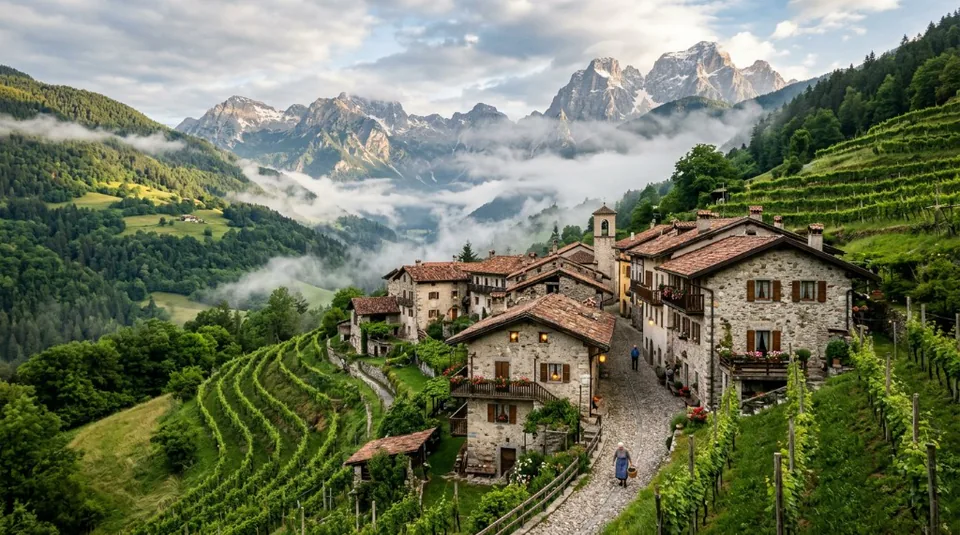
Tucked away in the rolling hills of the Emilia-Romagna region, Brisighella is a medieval village that perfectly encapsulates la dolce vita. The town is famous for its three distinct rocky pinnacles, each crowned by a historic monument: a 14th-century fortress (Rocca Manfrediana), a clock tower (Torre dell'Orologio), and the Sanctuary of the Monticino. But what makes Brisighella truly unique is the *Via degli Asini* (Donkeys' Alley), a 12th-century elevated and covered walkway featuring stunning arched windows that overlook the village streets. Known for producing some of the finest olive oil in Italy, the village is an absolute haven for foodies looking to indulge in authentic regional cuisine away from the masses.
8. Castelmezzano (The Dolomite Jewel of the South)
Often referred to as the Dolomites of the South, the Lucanian Dolomites in Basilicata host one of Italy’s most spectacular hidden towns: Castelmezzano. Clinging precariously to jagged sandstone spires, the village looks like it was carved directly out of the mountainside. Its maze of steep staircases and stone houses offers panoramic views over the lush valley below. For adrenaline seekers, Castelmezzano is famous for *Il Volo dell'Angelo* (The Angel's Flight), a massive zip-line that connects the town to its neighboring peak, Pietrapertosa. Experiencing the sheer drops and dramatic topography is breathtaking, making it a must-visit for adventurous travelers seeking the road less taken.
9. Bergamo (The Two-Tiered City)
Overshadowed by nearby Milan, the stunning city of Bergamo in Lombardy is a two-tiered architectural masterpiece that deserves far more attention. The city is divided into the modern lower town (Città Bassa) and the historic, walled upper town (Città Alta). Connected by an antique funicular, the Città Alta is an immaculately preserved medieval center surrounded by immense 16th-century Venetian defense walls, which stretch for over five kilometers and offer incredible views over the Po Valley. Walking the cobbled streets of the upper town reveals hidden piazzas, magnificent basilicas, and historic bakeries serving *polenta e osei*, local sweet treats that taste as delightful as they look.
10. Treviso (The Quiet Venice)
If you want the romantic charm of Venice without the crushing crowds and exorbitant prices, look no further than Treviso in the Veneto region. Located just a short train ride from its famous neighbor, Treviso is a picturesque city crisscrossed by tranquil, tree-lined canals and historic waterwheels. The city boasts beautiful medieval walls, elegant palazzos featuring intricate frescoed facades, and arcaded walkways that provide shade in the summer heat. Importantly, Treviso is universally acclaimed as the birthplace of Tiramisu. Taking a leisurely stroll along the Canale dei Buranelli and stopping for an authentic portion of this iconic dessert is an experience that will make you perfectly content to have skipped the Venetian tourist traps.
Sources and travel checks
Conditions, access, prices, schedules and safety guidance can change. Confirm current details with the linked authorities before travelling; for immediate risks, follow local officials, posted warnings and official advisories.
- Italia.it — Discover Italy: official tourism websiteChecked 2026-10-13 · Official destination context for Italian places, food and wine.
These links document the references reviewed; they do not imply endorsement of Traverly.