 Traverly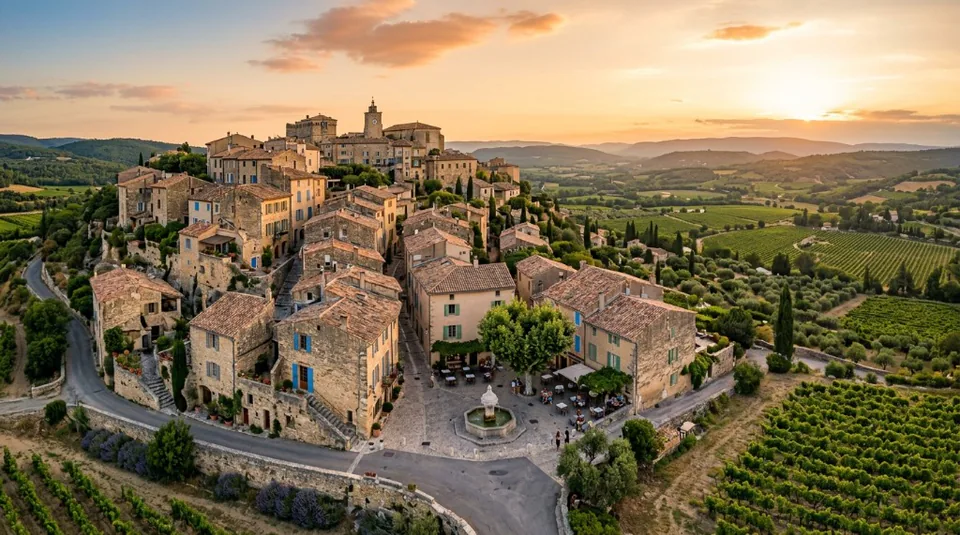
This ranked list is an editorial selection for travel inspiration, not an objective or universal measure. France is a country where history isn't just found in textbooks; it's etched into the very stones of its ancient villages. Away from the bustling boulevards of Paris and the glitzy shores of the French Riviera lies a network of small, perfectly preserved communities that have stood the test of time. These villages, often designated as "Les Plus Beaux Villages de France" (The Most Beautiful Villages of France), offer a glimpse into a bygone era of medieval knights, Renaissance artisans, and rural agricultural traditions that continue to this day.
Exploring these historical gems is like walking through a living museum. You’ll find narrow, winding cobblestone streets, ancient stone churches with ringing bells, and bustling market squares where the smell of fresh lavender and crusty baguettes fills the air. Whether they are perched precariously on a cliffside, nestled in a lush river valley, or surrounded by world-renowned vineyards, each village has its own unique story to tell. In this guide, we take you on a journey through the top 10 historical villages in France that you absolutely must visit.
1. Gordes, Provence-Alpes-Côte d'Azur
Perched dramatically on the edge of the Plateau de Vaucluse, Gordes is arguably the most famous village in the Luberon region of Provence. Its houses, built entirely of dry stone, rise in tiers against the hillside, creating a stunning architectural harmony. The village is crowned by a majestic Renaissance castle that has watched over the valley for centuries. Walking through Gordes is a sensory delight—the warm sunlight reflecting off the pale stone, the vibrant blue shutters of the shops, and the sweeping views of the surrounding olive groves and vineyards. It has long been a haven for artists, including Marc Chagall, who found endless inspiration in its timeless beauty.
2. Espalion, Occitanie
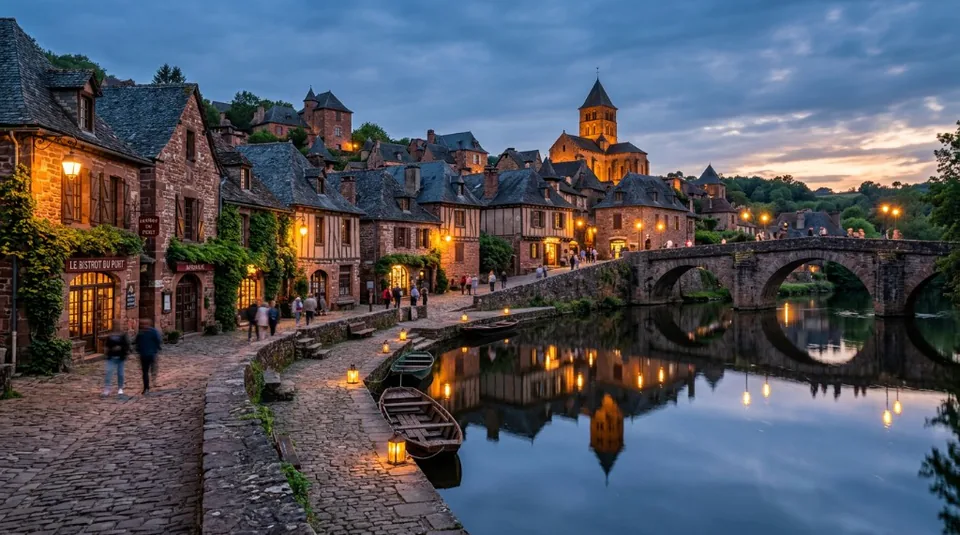
Located in the Aveyron department, Espalion is a picturesque stop on the legendary pilgrimage route to Santiago de Compostela. The defining feature of the village is the Pont Vieux (Old Bridge), a beautiful red sandstone structure dating back to the 11th century. The houses lining the banks of the Lot River, with their charming balconies and flower-filled windows, create a scene straight out of a fairytale. Espalion is a place where time seems to slow down. You can spend hours watching the river flow, exploring the nearby Calmont d'Olt castle ruins, or visiting the unique Diving Museum, which celebrates the local invention of the self-contained diving suit.
3. Saint-Émilion, Nouvelle-Aquitaine
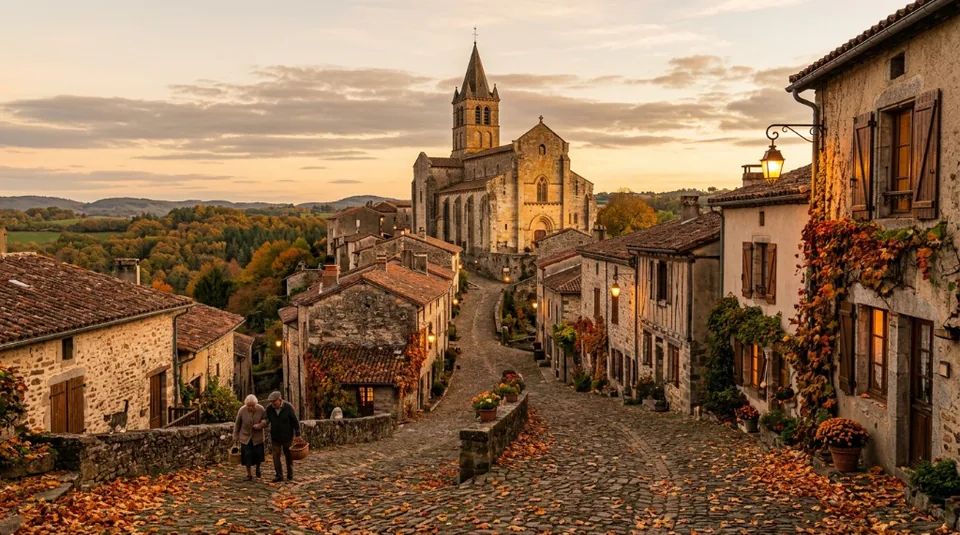
While known globally for its prestigious wines, Saint-Émilion is also one of the most remarkably well-preserved medieval villages in Europe. This UNESCO World Heritage site is built into a natural amphitheater, with its narrow streets (known as *tertres*) winding steeply between historic limestone buildings. The village’s most extraordinary feature is the Monolithic Church, an entire cathedral carved directly into the bedrock during the 12th century. Beyond the architectural wonders, Saint-Émilion offers a profound historical connection to the land, where the ancient wine-making traditions have shaped the landscape and the village's identity for nearly two thousand years.
4. Saint-Cirq-Lapopie, Occitanie
Suspended on a cliff 100 meters above the Lot River, Saint-Cirq-Lapopie was voted France’s favorite village for a reason. Its medieval layout is perfectly intact, featuring houses with steeply pitched terracotta roofs and dark timber framing. The village was once a center for woodturners, whose ancient workshops still line the streets. In the early 20th century, it became a sanctuary for the Surrealist movement, with writer André Breton famously declaring that he "stopped wanting to be anywhere else" after visiting. The view from the top of the village, looking down at the winding river and the lush valley, is one of the most spectacular in all of France.
5. Beynac-et-Cazenac, Nouvelle-Aquitaine
Clinging to a sheer limestone cliff in the Dordogne Valley, Beynac-et-Cazenac is the epitome of a medieval fortress village. The village is dominated by the imposing 12th-century Château de Beynac, which played a pivotal role during the Hundred Years' War. Walking the steep, sun-drenched paths from the riverbank up to the castle, you’ll pass stone houses decorated with vibrant climbing roses and wisteria. The village offers a visceral sense of history, allowing you to imagine a time of knights and river pirates. A traditional boat ride in a *gabarre* (flat-bottomed river boat) provides the best perspective of this architectural marvel.
6. Riquewihr, Grand Est
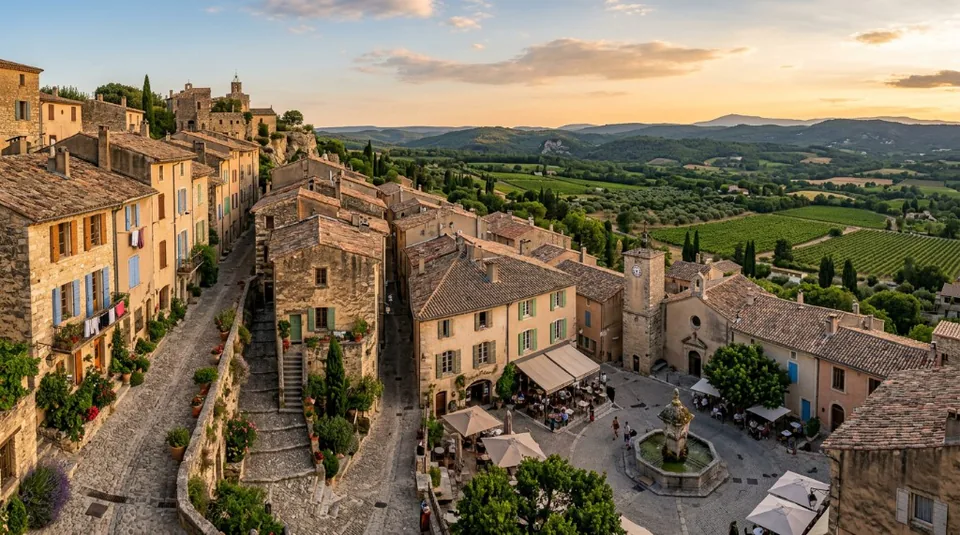
Stepping into Riquewihr is like entering the setting of *Beauty and the Beast*. Located along the Alsace Wine Route, this village escaped destruction during both World Wars, preserving its incredible 16th-century appearance. The streets are lined with brightly painted half-timbered houses, featuring ornate signs and flower-filled window boxes. Riquewihr is especially famous for its Christmas market, when the entire village is transformed into a sparkling winter wonderland. It is also the home of the world-renowned Hugel wine family, making it the perfect place to sample traditional Alsatian Rieslings and Gewürztraminers in a setting of unmatched historical charm.
7. Rocamadour, Occitanie
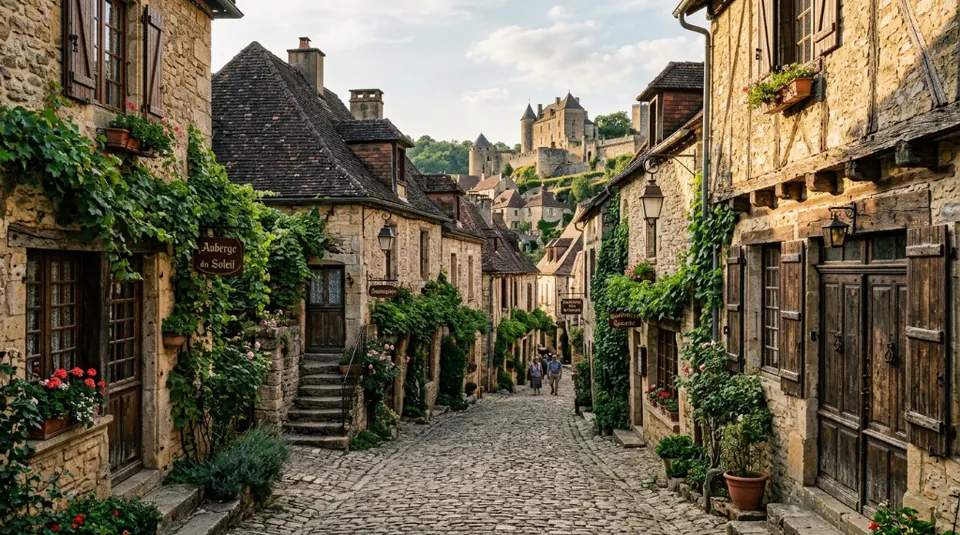
Rocamadour is a village that defies gravity. Built into the side of a vertical cliff in the Alzou Valley, it has been a major pilgrimage destination for over a thousand years. The village is organized into three levels: the knights' houses at the bottom, the sanctuary of seven chapels in the middle (where the famous Black Madonna is housed), and the castle at the very top. Pilgrims historically climbed the 216 steps of the Grand Degré on their knees. Today, visitors can explore the narrow streets, marvel at the breathtaking views, and sample the delicious local Rocamadour goat cheese, which has its own protected designation of origin.
8. Collonges-la-Rouge, Nouvelle-Aquitaine
Known as the "Red City," Collonges-la-Rouge is unique in France for being built entirely from local red sandstone. The vibrant, fiery color of the stone creates a striking contrast against the green hills of the Limousin region. Founded in the 8th century by monks, the village served as a prosperous retreat for the gentry of the nearby Viscounty of Turenne, resulting in an abundance of grand manor houses and small castles adorned with turrets and towers. It is a village designed for wandering, where every corner reveals a new architectural detail or a charming hidden garden. It was here that the official association of "Les Plus Beaux Villages de France" was first conceived.
9. Eguisheim, Grand Est
Eguisheim is unique for its concentric street plan—long, circular streets that wrap around a central castle square. This circular defensive layout has remained essentially unchanged since the Middle Ages. As you walk the "loop," you’re treated to a continuous display of colorful timbered houses, hidden courtyards, and ancient wine cellars. Eguisheim is also the birthplace of Pope Leo IX, whose statue stands in the village square. It is consistently decorated with an abundance of flowers, having won numerous national and international floral awards. Exploring Eguisheim feels like being inside a meticulously crafted piece of jewelry.
10. Bonnieux, Provence-Alpes-Côte d'Azur
Facing Gordes from the other side of the Luberon valley, Bonnieux is a classic Provencal "perched village." It rises steeply from the valley floor, crowned by its landmark "old church" (Vieille Église) at the very summit. To reach it, you must climb a series of stone staircases through the village's historic quarter, passing grand stone mansions that date back to the 16th and 17th centuries. Bonnieux offers a more lived-in, authentic feel compared to some of its more famous neighbors. The Friday morning market is a hub of local life, where you can buy fresh olives, artisanal honey, and traditional fabrics while enjoying some of the most panoramic views in Provence.
Sources and travel checks
Conditions, access, prices, schedules and safety guidance can change. Confirm current details with the linked authorities before travelling; for immediate risks, follow local officials, posted warnings and official advisories.
- Explore France — 10 of France’s most beautiful villagesChecked 2026-10-13 · French tourism authority context for historic villages.
These links document the references reviewed; they do not imply endorsement of Traverly.