 Traverly
This ranked list is an editorial selection for travel inspiration, not an objective or universal measure. Peru is a country of staggering geographical and cultural extremes. From the hyper-arid coastal deserts and the deeply mysterious Amazon rainforest to the breathtaking, snow-capped peaks of the Andes Mountains, Peru possesses a wide range of ecosystems and biodiversity. However, while the ancient ruins and dramatic landscapes naturally draw millions of global visitors, the true essence of this magnificent South American nation lies deeply embedded within its people. The indigenous Quechua and Aymara communities, alongside passionate coastal locals, strictly maintain vibrant, centuries-old traditions that offer a profound window into authentic Peruvian life.
To truly understand the heartbeat of Peru, travelers must be willing to step slightly off the heavily beaten path and actively engage with local communities. Rather than simply snapping a quick photograph of a historic site, immersing yourself in traditional practices—whether it be agricultural, culinary, or artistic—transforms a standard vacation into a genuinely life-changing spiritual journey. Here is our completely comprehensive guide to the top 10 most authentic local experiences you absolutely must seek out when traveling through Peru.
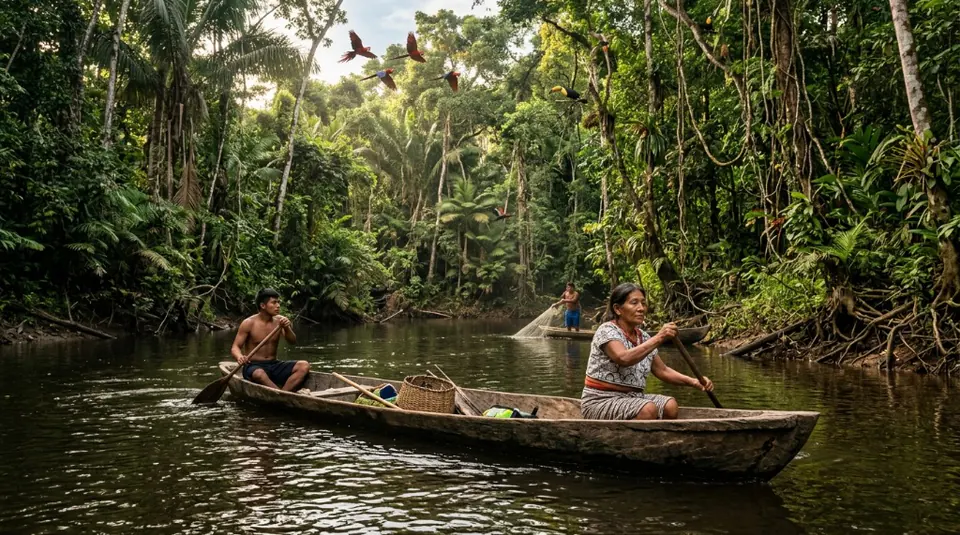
1. Exploring the Amazon by Traditional Dugout Canoe
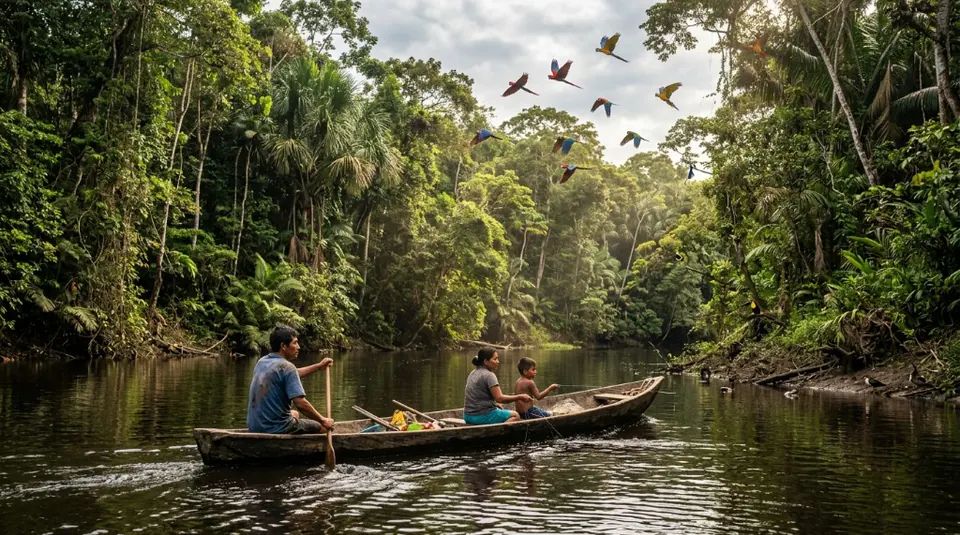
While massive luxury river cruises certainly exist along the mighty Amazon River, the most remarkably authentic way to experience the terrifyingly vast and beautiful Peruvian jungle is inside a traditional wooden dugout canoe. Particularly in the remote Tambopata National Reserve or Manu National Park, local indigenous guides expertly navigate these narrow, silent vessels through complex networks of twisting oxbow lakes and deeply flooded forests. By traveling quietly without loud mechanical engines, you dramatically increase your chances of spotting elusive jaguars resting on the muddy riverbanks, massive caimans lurking just below the murky water’s surface, and playful giant river otters. More importantly, traveling with indigenous guides offers profound, firsthand insight into their extensive botanical knowledge and traditional survival techniques.
2. Participating in an Andean Textile Workshop
High in the magnificent Sacred Valley, specific local communities—such as the famous weavers of Chinchero—have successfully fiercely protected the ancient, highly complex art of backstrap loom weaving. Rather than simply purchasing a colorful blanket from a tourist market, visitors can enthusiastically participate in immersive, hands-on textile workshops. Here, you sit directly with indigenous women as they demonstrate the incredibly labor-intensive process of shearing wild alpacas, meticulously spinning the raw wool by hand, and creating vibrant natural dyes using crushed local insects, distinct mountain mosses, and unique regional flowers. Learning to appreciate the profound mathematical precision and deep storytelling involved in weaving these intricate Andean patterns gives an entirely new level of massive respect for this ancient art form.
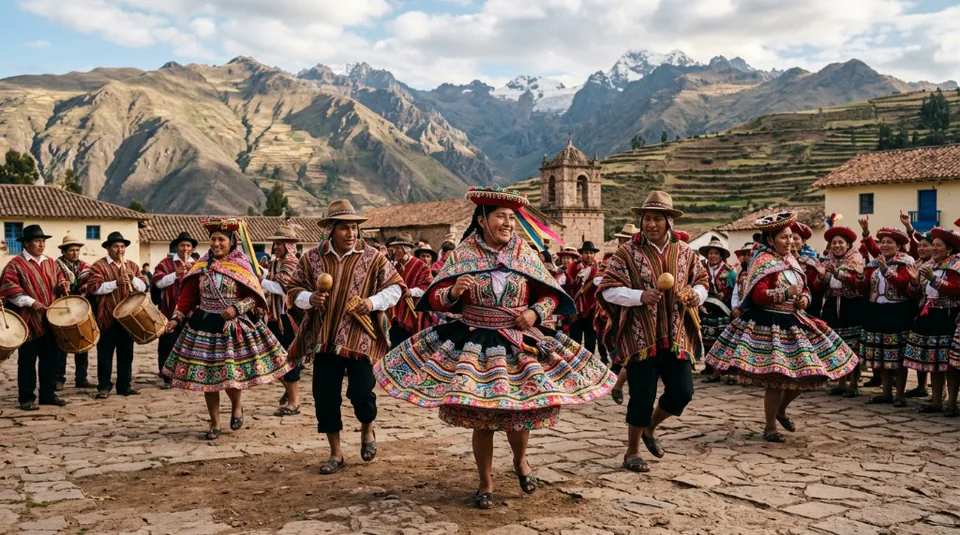
3. Celebrating Local Folk Festivals
Peruvians are wildly passionate about their vibrant local festivals, which often spectacularly blend deeply rooted ancient indigenous beliefs with more recently introduced Catholic traditions. If your travel schedule allows, arranging your trip perfectly around a major regional festival is absolutely mandatory. For example, witnessing the legendary *Inti Raymi* (The Festival of the Sun) in Cusco during the harsh winter solstice involves dramatic, incredibly elaborate reenactments of ancient Incan ceremonies. Alternatively, attending the intensely colorful and beautifully chaotic *Virgen de la Candelaria* in Puno involves massive parades featuring thousands of energetic dancers wearing heavy, terrifyingly ornate devil masks and brilliantly embroidered capes, dancing wildly to heavily rhythmic brass bands.
4. Tasting Authentic Pachamanca in the Sacred Valley
Peruvian cuisine is currently dominating the global culinary scene, but long before fancy Michelin-starred restaurants existed in modern Lima, the ancient Incas were cooking *Pachamanca*. Translating physically to "earth pot," this highly traditional cooking method is actually a profound agricultural ritual directly thanking *Pachamama* (Mother Earth) for a successful harvest. Local farmers physically dig a massive hole into the rich soil, heavily line it with intensely fire-heated river stones, and carefully layer marinated alpaca meat, massive whole potatoes, sweet corn, and thick broad beans. The entire natural 'oven' is then heavily buried with earth and thick grass to violently steam for hours. Digging up the meal and sharing the incredibly tender, deeply smoky communal feast with the local farming family is a phenomenal, unforgettable culinary experience.
5. Navigating Lake Titicaca to the Uros Floating Islands
Situated at a dizzying, literally breath-taking altitude of 3,812 meters, Lake Titicaca is proudly a high-altitude lake at about 3,812 metres and the deeply mythical birthplace of the powerful Incas. While the massive lake itself is naturally stunning, the truly completely unique experience lies in visiting the remarkable Uros people. This ancient indigenous community lives entirely on massive, floating synthetic islands that they physically weave completely out of the buoyant *totora* reeds that naturally grow abundantly in the lake. The Uros heavily utilize these versatile reeds for absolutely everything—from constructing their traditional homes and intricately braided fishing boats to supplementing their daily diets. Spending a morning actively learning how they constantly rebuild their sinking islands is absolutely fascinating.
6. Spotting Macaws at the Tambopata Clay Licks
Deep within the humid, incredibly biodiverse Madre de Dios region of the Peruvian Amazon, there occurs a profound daily natural phenomenon that completely defies logic. Every single morning, massive, overwhelmingly loud flocks consisting of hundreds of brilliantly colored scarlet, blue, and gold macaws aggressively descend upon exposed, steep riverbanks known locally as *collpas* (clay licks). The birds engage in frantically consuming the raw, mineral-rich clay to successfully neutralize lethal toxins they naturally ingest from eating poisonous jungle seeds. Sitting silently in a hidden wooden blind with a sharp-eyed local guide as this chaotic, vividly colorful daily frenzy unfolds directly across the river is undoubtedly one of the most spectacular wildlife experiences on the entire planet.
7. Trekking with Traditional Llama Herders
While completing the famous classic Inca Trail is a highly regulated, thoroughly tourist-heavy endeavor, opting for alternative, massively remote treks—such as the grueling Ausangate or the dramatic Lares Valley routes—allows you to trek alongside absolutely authentic local llama and alpaca herders. In these intensely isolated, high-altitude mountain communities, locals completely live off the harsh, unforgiving grid, dressing permanently in intensely bright, traditional woven garments. Hiring local community members directly to guide your expedition prevents heavy corporate exploitation and strictly ensures you learn profound, genuine ancient mountain survival techniques while hiking entirely alone through pristine, terrifyingly beautiful glacial valleys.
8. Taking a Pisco Making Masterclass in Ica
The deeply arid, impossibly sunny southern desert region of Ica is the proud, undisputed historic heartland of *Pisco*, Peru’s legendary and fiercely protected national grape brandy. Rather than simply ordering a standard Pisco Sour at a hotel bar in Lima, absolute purists should directly visit traditional, rustic *bodegas* (distilleries) surrounding the coastal city of Ica. At these historic, actively working vineyards, you can uniquely participate in the sticky, joyful autumn grape harvest, physically assist in forcefully stomping the fresh grapes barefoot in massive ancient stone vats, and learn the deeply complex, highly scientific distillation process directly from passionate local master distillers.
9. Bartering at the Pisac Sunday Market
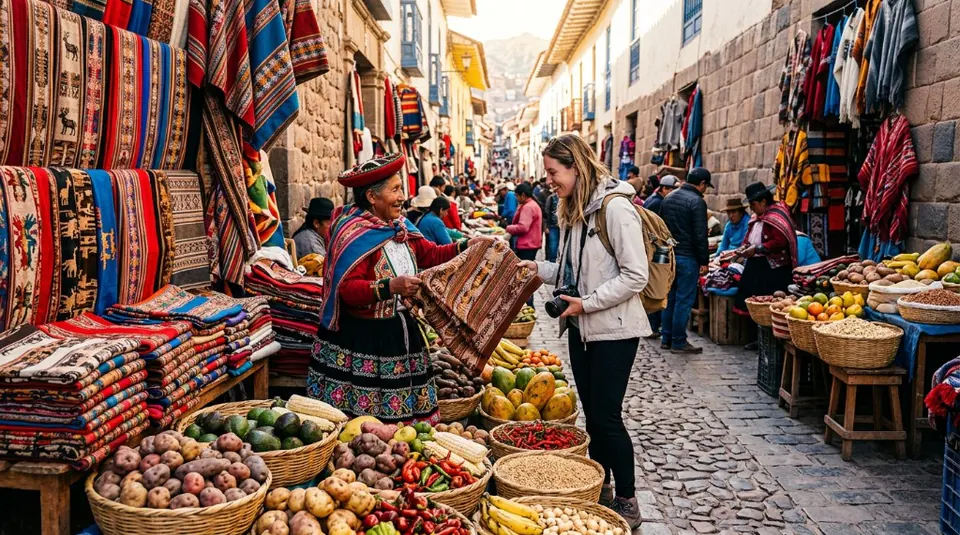
While the highly scenic Sacred Valley town of Pisac hosts a busy market specifically for international tourists every single day, the atmosphere completely transforms on early Sunday mornings. On this specific day, indigenous Quechua people dramatically descend from isolated, deeply remote high-mountain villages specifically to aggressively trade their agricultural goods directly with other locals. Listening intensely to the rapid, rhythmic bartering conducted entirely in the ancient Quechua language, witnessing the massive community leaders known proudly as *Varayocs* sharply blowing heavy conch shells, and observing the incredibly diverse variety of strange, colorful ancient Andean potatoes is wildly engaging and deeply authentic.
10. Exploring the Witches' Market in Chiclayo
To distinctly experience a slightly more mysterious, vastly esoteric side of specialized Peruvian local culture, journey far north to the bustling coastal city of Chiclayo specifically to boldly explore the *Mercado de las Brujas* (Witches' Market). This deeply fascinating, slightly chaotic section of the main central market is violently dedicated almost entirely to traditional, ancient Andean shamanism and deep herbal medicine. The terrifyingly crowded stalls are heavily packed with an absolute bizarre array of goods: massive dried anaconda skins, intimidating monkey skulls, rare hallucinogenic San Pedro cactus, and intensely colorful love potions. Hiring a traditional local *curandero* (shaman) to actively explain the ancient medicinal properties of these bizarre, incredibly potent jungle roots is completely mesmerizing.
Sources and travel checks
Conditions, access, prices, schedules and safety guidance can change. Confirm current details with the linked authorities before travelling; for immediate risks, follow local officials, posted warnings and official advisories.
- Peru Travel — Official tourism website of PeruChecked 2026-10-13 · Official destination context for Peruvian places and experiences.
- US Centers for Disease Control and Prevention — High-altitude travel and altitude illnessChecked 2026-10-13 · Health guidance for rapid ascent and high-altitude travel.
These links document the references reviewed; they do not imply endorsement of Traverly.